
 Save
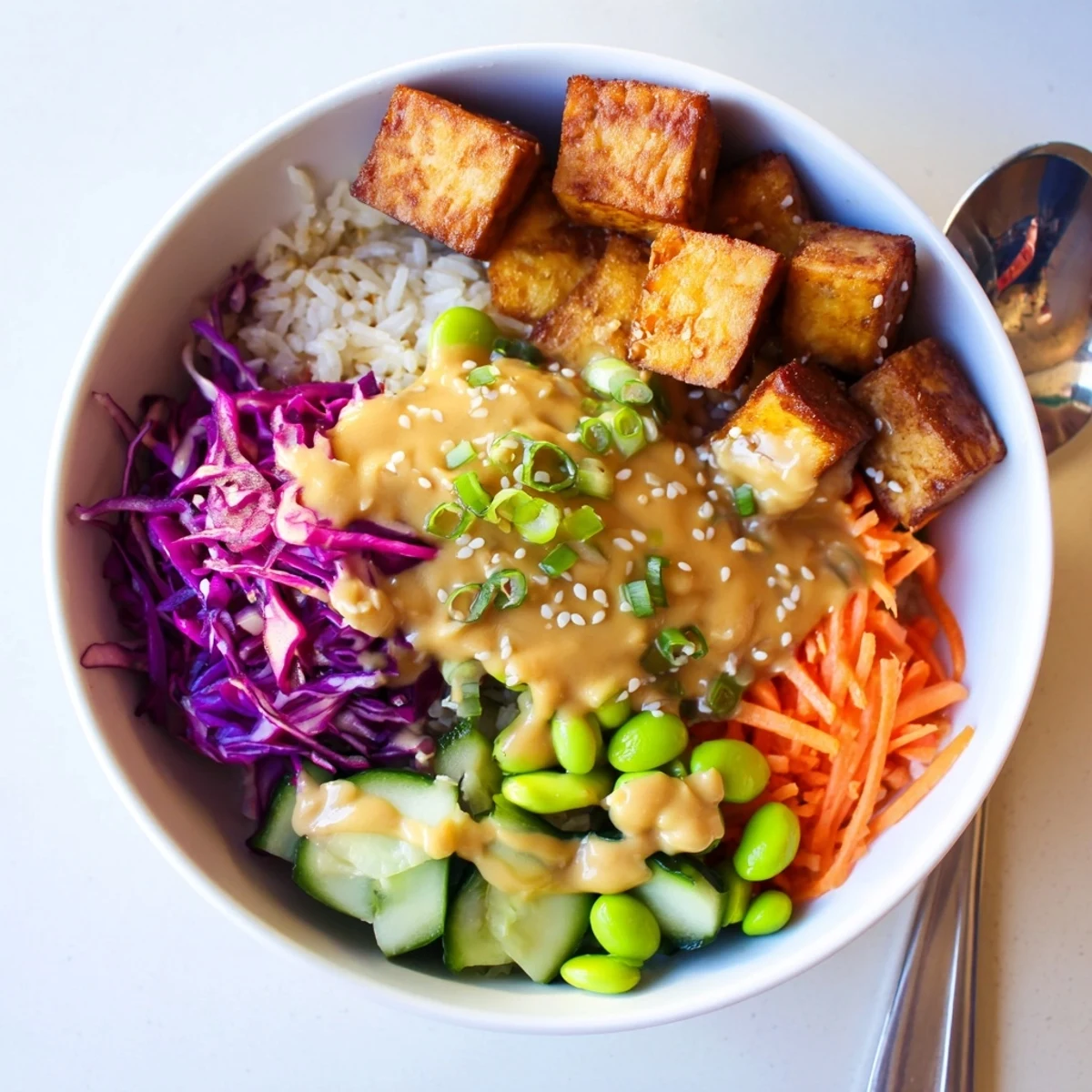
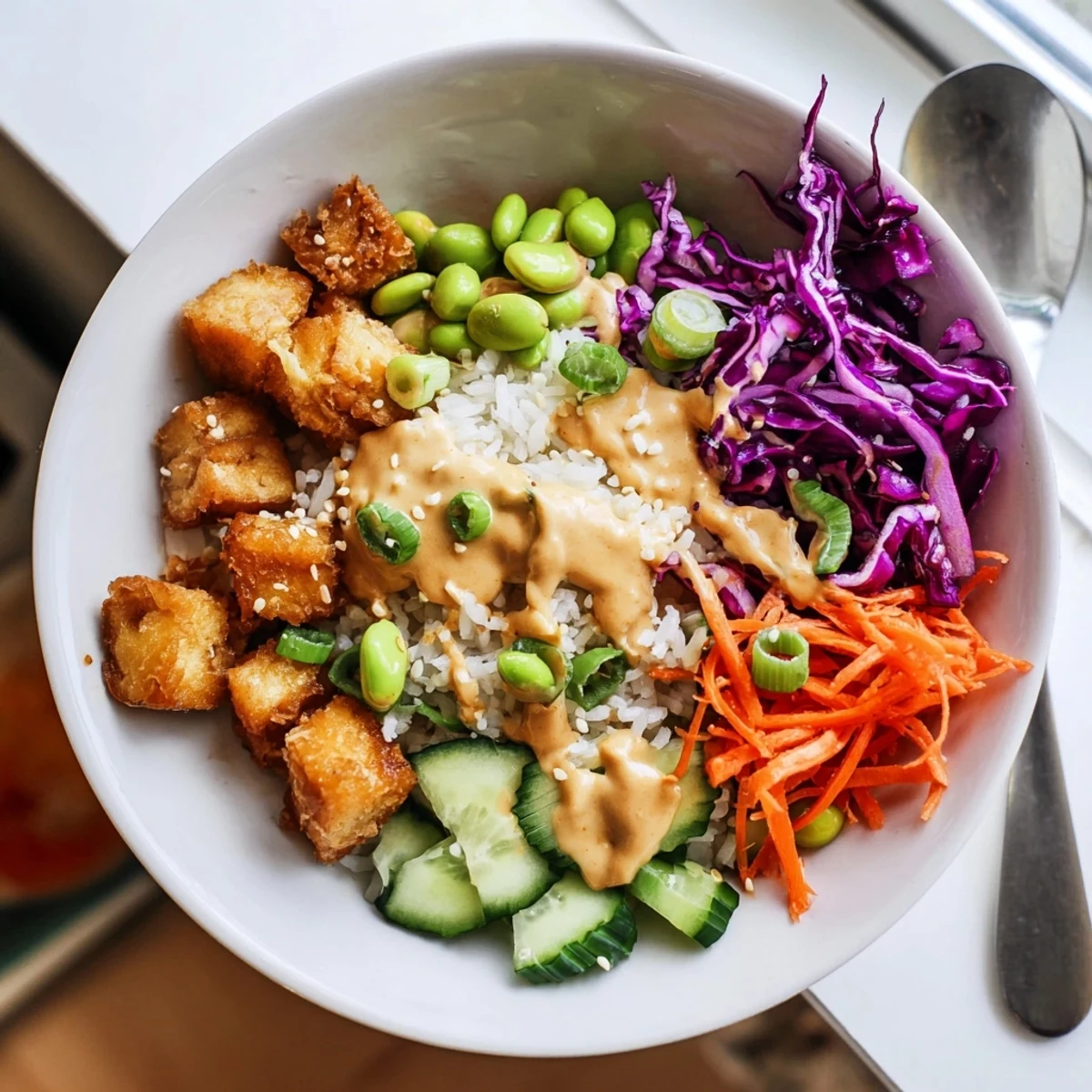
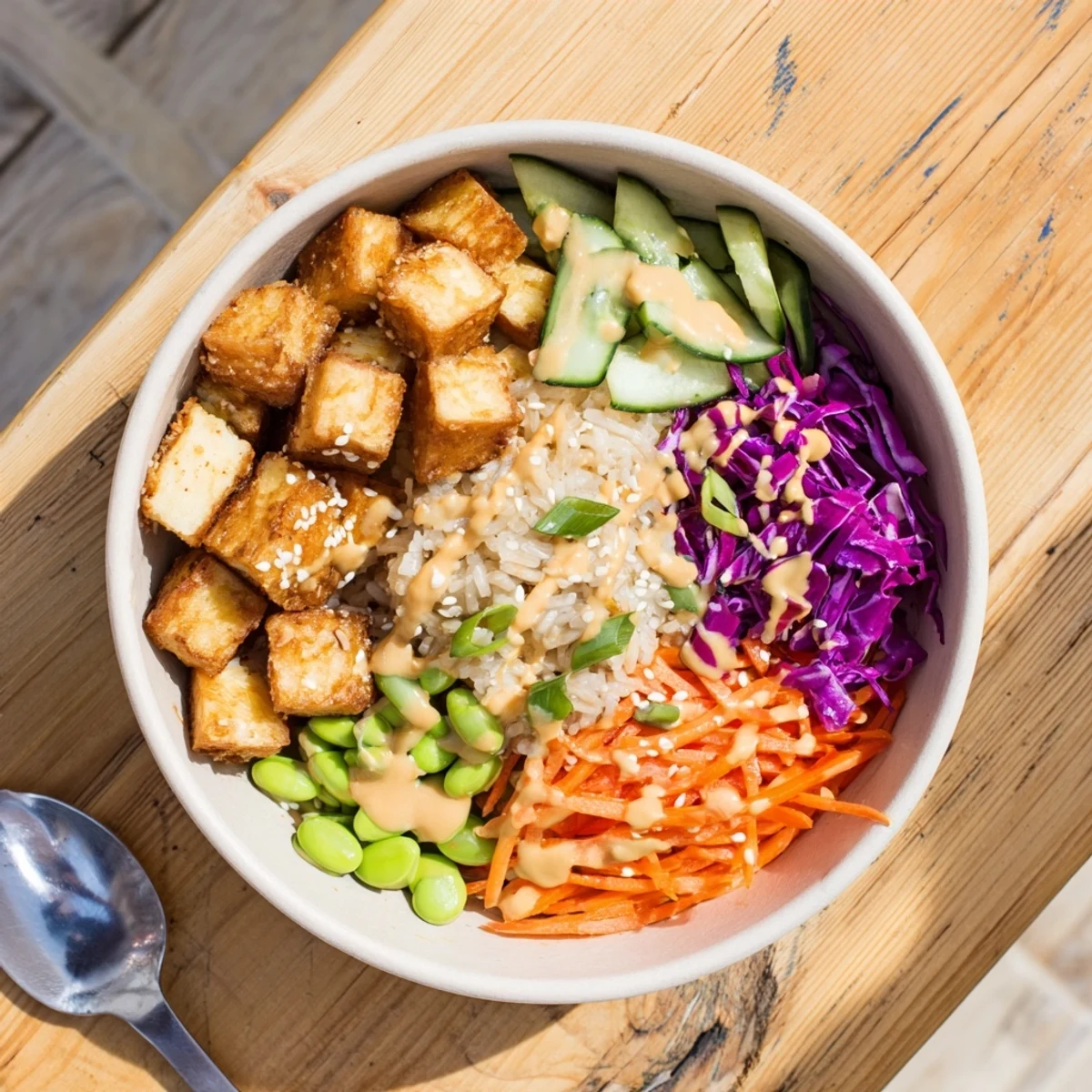
Save This vibrant Asian-inspired bowl brings together golden, crispy tofu cubes with a medley of fresh vegetables including shredded red cabbage, julienned carrot, cucumber, and edamame, all served over fluffy jasmine rice.
The star of the dish is a rich, creamy peanut sauce made from peanut butter, soy sauce, lime juice, and ginger that ties everything together beautifully.
Ready in just 40 minutes with minimal prep, this satisfying vegetarian meal delivers bold flavors and satisfying textures in every bite.
There was a Tuesday night, sticky hot and zero motivation to cook anything ambitious, when I found half a block of tofu staring at me from the fridge and a nearly empty jar of peanut butter on the door. Forty minutes later I was sitting on the kitchen floor with a bowl in my lap, wondering why I ever considered ordering takeout. Something about the way crispy tofu meets a cold, crunchy vegetable bed under a velvety peanut drizzle just resets your whole evening.
I brought this to a potluck once and watched three self proclaimed tofu skeptics go back for seconds before touching anything else on the table. That moment converted me into someone who always keeps a block of firm tofu in the fridge, just in case.
Ingredients
- 1 1/2 cups uncooked jasmine or brown rice: Jasmine gives that fragrant, slightly sticky base but brown rice adds a nutty chew that holds up beautifully under sauce.
- 400 g firm tofu, pressed and cubed: Firm is nonnegotiable here since soft tofu will fall apart in the pan and silken will turn into scrambled mush.
- 1 tbsp cornstarch: This is the secret to that shatteringly crisp exterior, so do not skip it even if you are tempted.
- 3 tbsp vegetable oil: You need a neutral oil with a high smoke point to get real color on the tofu without burning.
- 1 cup shredded red cabbage: It brings crunch and a gorgeous purple contrast that makes the bowl look like you tried harder than you did.
- 1 large carrot, julienned: Thin strips soak up the peanut sauce in a way that coins never will, so take the extra minute to julienne.
- 1 cucumber, thinly sliced: Coolness against the warm tofu and rich sauce is what keeps every bite interesting.
- 2 green onions, thinly sliced: Scatter these on last for a sharp, fresh bite that cuts through the richness.
- 1 cup edamame, cooked and shelled: They tuck protein and a satisfying pop into every forkful without needing any seasoning.
- 2 tbsp sesame seeds: Toasted if you have thirty extra seconds, because the aroma fills the whole kitchen.
- 1/4 cup creamy peanut butter: Natural peanut butter works best since the stabilizers in conventional brands can make the sauce gummy.
- 2 tbsp soy sauce: This provides the salty umami backbone that keeps the peanut butter from tasting like dessert.
- 2 tbsp lime juice: Fresh lime is critical here since bottled juice tastes flat and metallic next to the other bright ingredients.
- 1 tbsp maple syrup: Use maple to keep it vegan, or honey if that is what is in your pantry and dietary labels do not matter.
- 1 tbsp rice vinegar: A subtle tang that rounds out the sweetness and ties the whole sauce together.
- 1 tsp grated fresh ginger: Just a small amount lifts everything with warmth without announcing itself too loudly.
- 1 garlic clove, minced: One is enough since raw garlic can easily overwhelm a sauce that sits on the palate this directly.
- 2 to 3 tbsp warm water: Add gradually because the sauce thins quickly once it hits the right note.
Instructions
- Get the rice going:
- Cook the jasmine or brown rice according to package directions, then cover and keep it warm while you handle everything else so it stays fluffy and ready to receive the toppings.
- Prep and coat the tofu:
- Press the tofu firmly between clean towels to squeeze out excess moisture, then cut it into even cubes and toss with cornstarch until every side is dusted and no longer wet to the touch.
- Fry until golden:
- Heat the oil in a large nonstick skillet over medium high heat and add tofu in a single uncrowded layer, turning every couple of minutes until each cube is deeply golden and audibly crunchy when you nudge it.
- Whisk the peanut sauce:
- Combine peanut butter, soy sauce, lime juice, maple syrup, rice vinegar, ginger, and garlic in a bowl, then stream in warm water one tablespoon at a time until it pours like heavy cream.
- Build each bowl:
- Divide warm rice among four bowls and arrange tofu, cabbage, carrot, cucumber, green onions, and edamame in colorful clusters over the top so every scoop gets a little bit of everything.
- Finish and serve:
- Drizzle peanut sauce generously over each bowl, shower with sesame seeds, and serve right away while the tofu is still crackling hot against the cool vegetables.
 Save
Save One rainy Sunday I ate a leftover bowl standing at the counter, cold from the fridge, and somehow it was even better than the night before. The vegetables had marinated through the sauce and the tofu had taken on this dense, chewy satisfaction that hot tofu never quite achieves.
Making It Your Own
Swap the rice for quinoa when you want something lighter, or use cauliflower rice if you are leaning toward a low carb evening. Sliced avocado is never a bad idea on top, and a handful of torn cilantro or mint makes the whole bowl taste like summer even in January.
Turning Up the Heat
Stir chili flakes or a squirt of sriracha directly into the peanut sauce for a slow, warming burn that balances the sweetness beautifully. Start with half a teaspoon and taste your way up, since the heat blooms as it sits and you can always add more but cannot take it back.
Allergen and Nutrition Notes
This recipe contains soy and peanuts, so check your labels carefully if you are cooking for someone with allergies since cross contamination hides in surprising places. Each serving lands around 480 calories with a solid 19 grams of protein, which makes it hearty enough to stand alone without needing a side.
- Use tamari instead of soy sauce to make it gluten free without changing the flavor.
- Swap peanut butter for sunflower seed butter if peanuts are off the table entirely.
- Always double check packaged rice vinegar and soy sauce labels for hidden wheat or additives.
 Save
Save This bowl has saved more weeknight dinners than I can count, and it always feels like a small triumph rather than just another meal. Keep the peanut sauce in a jar in the fridge and everything else falls into place.
Recipe FAQs
- → How do I get the tofu extra crispy?
-
Press the tofu firmly for at least 15 minutes to remove excess moisture, then toss the cubes evenly in cornstarch before pan-frying in hot oil. Cook without moving them too frequently, letting each side develop a golden crust before turning.
- → Can I make the peanut sauce ahead of time?
-
Yes, the peanut sauce can be prepared up to 5 days in advance and stored in an airtight container in the refrigerator. whisk in a splash of warm water to restore its smooth, pourable consistency before serving.
- → What can I substitute for peanut butter in the sauce?
-
Almond butter, sunflower seed butter, or tahini all work well as alternatives. Each will bring a slightly different flavor profile, so adjust the soy sauce, lime juice, and sweetener to taste.
- → Is this dish suitable for meal prep?
-
Absolutely. Store the rice, tofu, vegetables, and sauce in separate containers. The assembled bowl keeps well for up to 3 days, though the tofu is crispiest when reheated in a skillet rather than the microwave.
- → How can I add more heat to this bowl?
-
Stir chili flakes, sriracha, or a dollop of sambal oelek directly into the peanut sauce. You can also garnish with sliced fresh jalapeños or a drizzle of chili oil for an extra kick.
- → What rice alternatives work well?
-
Quinoa, cauliflower rice, brown rice, or even soba noodles make excellent bases for this bowl. Each option keeps the dish hearty while offering different nutritional benefits and textures.