
 Save
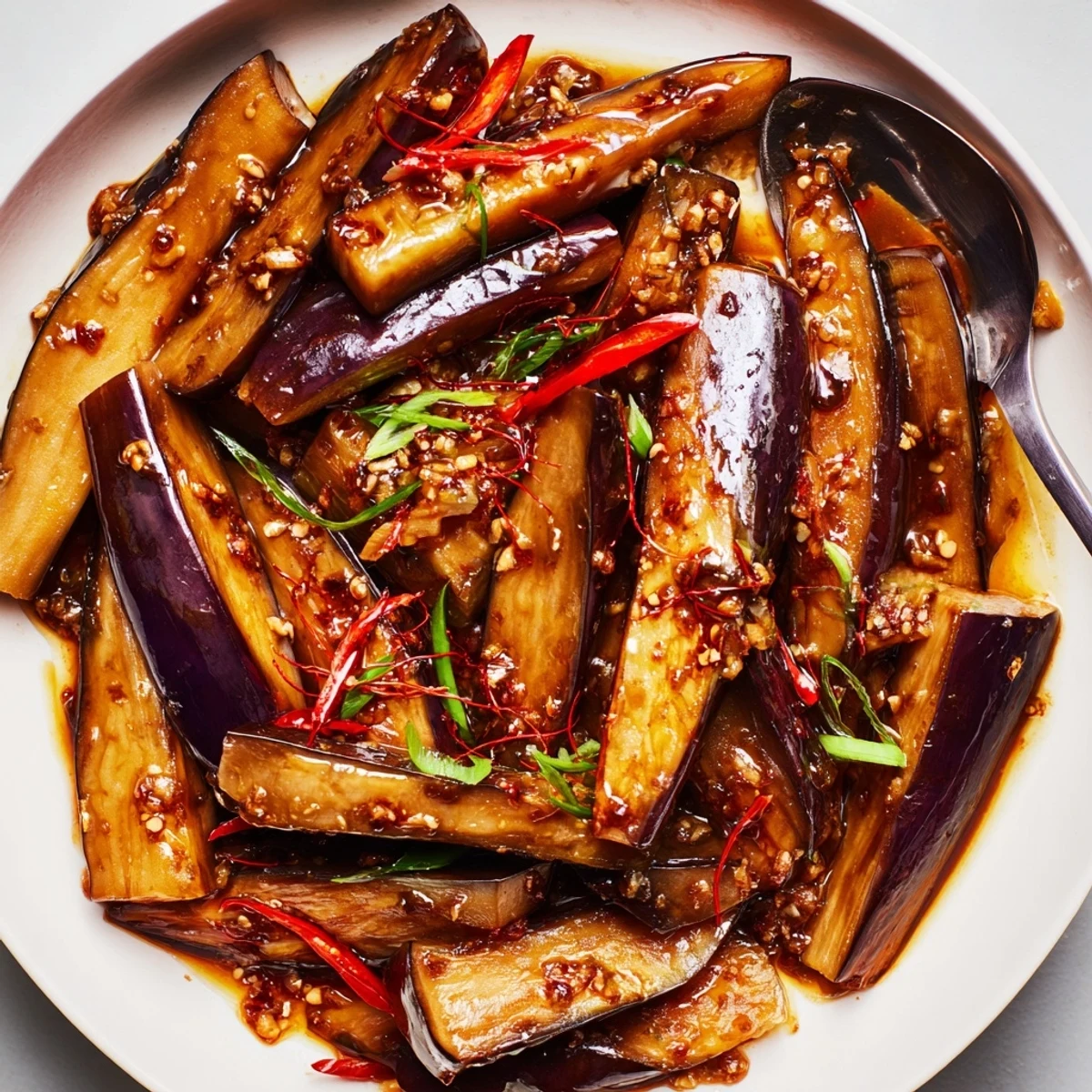
Save Lightly salt aubergine batons to draw out moisture, then pan-fry until golden. Saute ginger, garlic and doubanjiang in reserved oil to bloom aromas, return aubergine and add soy, dark soy, rice vinegar and stock. Simmer until very tender, thicken with a cornstarch slurry and finish with sesame oil and spring onions. Serve with jasmine rice; add Sichuan peppercorns for numbing heat or toasted peanuts for crunch.
The unmistakable crackle and savory aroma from my wok lingered long after making this dish for the first time, a testament to just how enveloping Sichuan flavors can be. There’s a giddy thrill when the doubanjiang hits hot oil, its deep red hue churning up clouds of spice that tickle your nose. While I’ve cooked plenty of vegetable stir-fries, something about braising aubergines with this combination of sauces made the kitchen feel newly adventurous. The result: an aubergine dish that’s both plush and punchy, impossible to resist straight from the pan.
One rainy Saturday, I found myself making this recipe for my partner and a friend, laughing as we debated just how much chili to toss in. Everyone ended up licking the sticky, spicy sauce off their chopsticks, which still makes me smile. There’s a special pleasure in serving a dish that vanishes from the plate in minutes—especially when the company insists it’s better than their local favorite. It’s now requested any time comfort food and a little heat are needed.
Ingredients
- Aubergines: Cutting these into thick batons helps them soak up the sauce and stay meltingly soft inside. Salt them first to keep them from getting oily.
- Spring onions: Sliced finely, they bring sharpness and look beautiful as a garnish.
- Garlic: Don’t be shy—a big hit of fresh garlic is key for that fragrant base.
- Ginger: Fresh ginger adds a zippy warmth that balances richness.
- Red chili (optional): Adjust to match your heat tolerance—it brings both color and a subtle kick.
- Doubanjiang: This fermented paste is the soul of Sichuan cooking; if you can, find the real thing for authenticity and depth.
- Soy sauce + dark soy sauce: The regular kind for saltiness, the dark for deep color and a touch of sweetness.
- Rice vinegar: Just a splash sharpens the finished dish and lifts all those bold flavors.
- Sugar: A little balances the salt and spice—don’t skip it.
- Vegetable stock or water: Stock is best for extra flavor, but water will work in a pinch.
- Vegetable oil: Aubergines need a generous amount to fry to golden softness, so don’t skimp here.
- Sesame oil: Stir this in at the end for irresistible aroma and sheen.
- Salt: Used for salting aubergines and seasoning to taste at the finish.
- Cornstarch: This thickens the sauce to just the right, luscious texture.
- Water (for slurry): Mix with cornstarch to create a smooth thickener—no lumps, please!
Instructions
- Prep the aubergines:
- Sprinkle the batons with salt and watch the beads of moisture appear—this step keeps them from being too oily. After a short rest, rinse and pat each piece dry so they fry up just right.
- Fry until golden:
- Heat a generous slick of oil until it shimmers, then slide in the aubergines. They’ll hiss and pop, turning tender and beautifully bronzed in about 6–8 minutes—drain them to keep things light.
- Sauté the aromatics:
- In the same pan, leave just enough oil to coat the bottom. Toss in ginger, garlic, and chili, stirring quickly as bright, spicy scents fill the air.
- The key flavor step:
- Add the doubanjiang, stirring until it releases its deep, savory fragrance and stains the oil a fiery red—this is when you know bold flavor is on its way.
- Braise it all together:
- Return the aubergine, then pour in the soy sauces, rice vinegar, sugar, and stock. Gently stir things together, then cover and let everything simmer low and slow until utterly tender and sauce-soaked.
- Thicken the sauce:
- Mix cornstarch and water smooth, then swirl it in. The sauce will tighten up in moments, becoming glossy and rich without being heavy.
- Finish and serve:
- Off the heat, drizzle with sesame oil and scatter with spring onions. Serve right away over rice, letting the aroma draw everyone to the table.
 Save
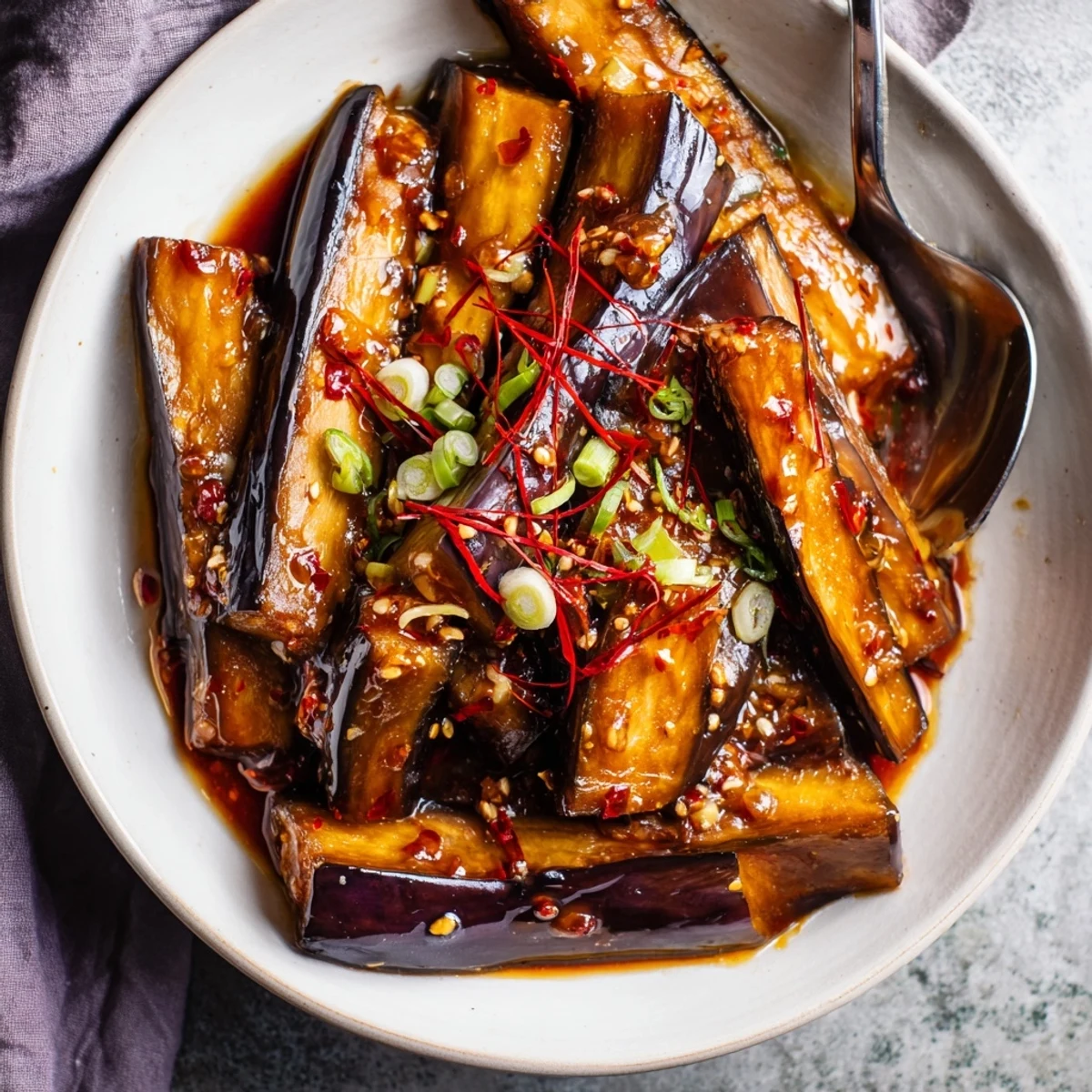
Save The first time I cooked this for my family, we ended up gathered around the pan, grabbing bites before it even hit the plates—a rare moment where no one could wait and the kitchen felt like a tiny, happy celebration. Food like this has a way of making even an ordinary night at home feel festive.
How to Get That Authentic Sichuan Flavor
I’ve found that toasting the doubanjiang in oil until it goes deep, brick red is the tiny trick that unlocks the unmistakable fragrance of a Sichuan kitchen. That moment when the paste transforms the oil is when you know the dish will have the signature kick and depth. If you want more numbing heat, toss in a pinch of Sichuan peppercorns at the start with the aromatics. It’s a sensation you don’t soon forget.
Troubleshooting: What Can Go Wrong
Should your sauce come out thin, don’t panic—just mix a little more cornstarch slurry and stir in a bit at a time until it clings just right. If the aubergines are falling apart, they likely simmered too long or were cut too small; stick to big, confident pieces and gentle stirring. The oil seems like a lot, but it’s what brings true silkiness—simply drain away any excess before braising if needed.
Pairing Ideas and Serving Suggestions
This dish transforms a plain bowl of steamed rice into something utterly crave-worthy and is also gorgeous over noodles with a tangle of stir-fried greens. Sprinkle on toasted peanuts for crunch, or a swirl of chili oil if you’re after more heat. I love it next to quick stir-fried broccoli or a simple cucumber salad for a cool contrast.
- If you’re short on time, prep the aromatics in advance.
- The leftovers are fantastic cold or at room temperature.
- Be generous with spring onions for a fresh, bright finish.
 Save
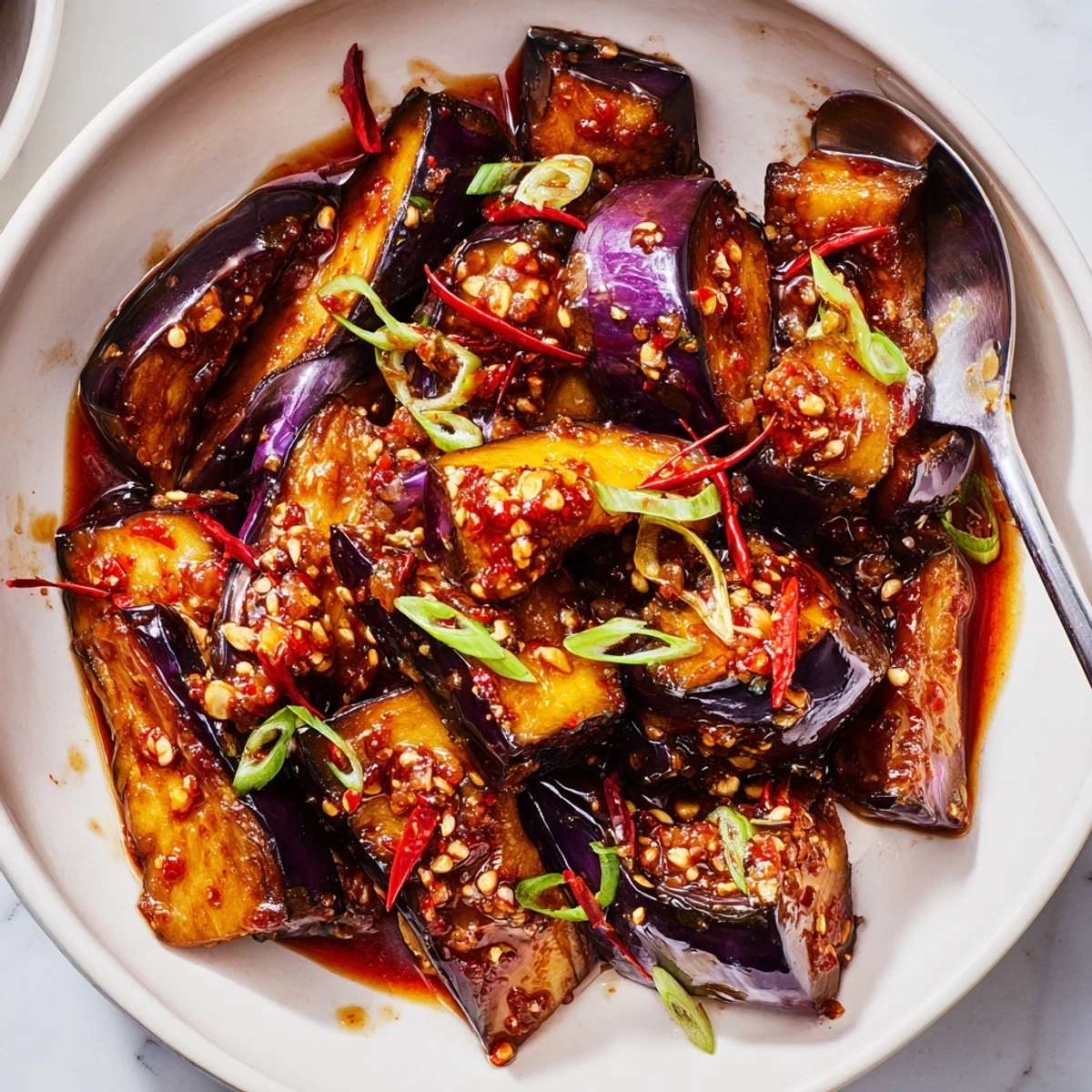
Save Let yourself get a little messy and taste as you cook—this dish is all about bold flavors and enjoying the process. When the wok finally goes quiet, you’ll have earned every delicious bite.
Recipe FAQs
- → How do I prevent aubergine from becoming greasy?
-
Salt and rest the aubergine to draw out moisture, rinse and pat dry, then fry in batches over medium-high heat. Drain on paper towels or roast to reduce oil absorption before adding the sauce.
- → Can I bake or roast instead of frying?
-
Yes. Toss aubergine batons lightly with oil and roast at 220°C (425°F) until golden and tender, then combine with the sauce in a pan and finish gently to meld flavors and thicken.
- → What can substitute doubanjiang if unavailable?
-
Use chili garlic sauce or a blend of miso and chili paste for umami and heat; the flavor will differ, so adjust soy, sugar and vinegar to balance saltiness and acidity.
- → How do I control the spice level?
-
Reduce the amount of doubanjiang, remove seeds from fresh chilies, or omit Sichuan peppercorns. Add chili gradually and taste as you cook to reach the desired heat.
- → How should I thicken the sauce without lumps?
-
Mix cornstarch with cold water to make a smooth slurry, then stir it into the simmering sauce off high heat and cook briefly until glossy; avoid boiling too long to prevent pastiness.
- → What are good serving and garnish ideas?
-
Serve with steamed jasmine rice or noodles, garnish with sliced spring onions and a drizzle of sesame oil. For texture add toasted peanuts or extra chili for more heat.