
 Save
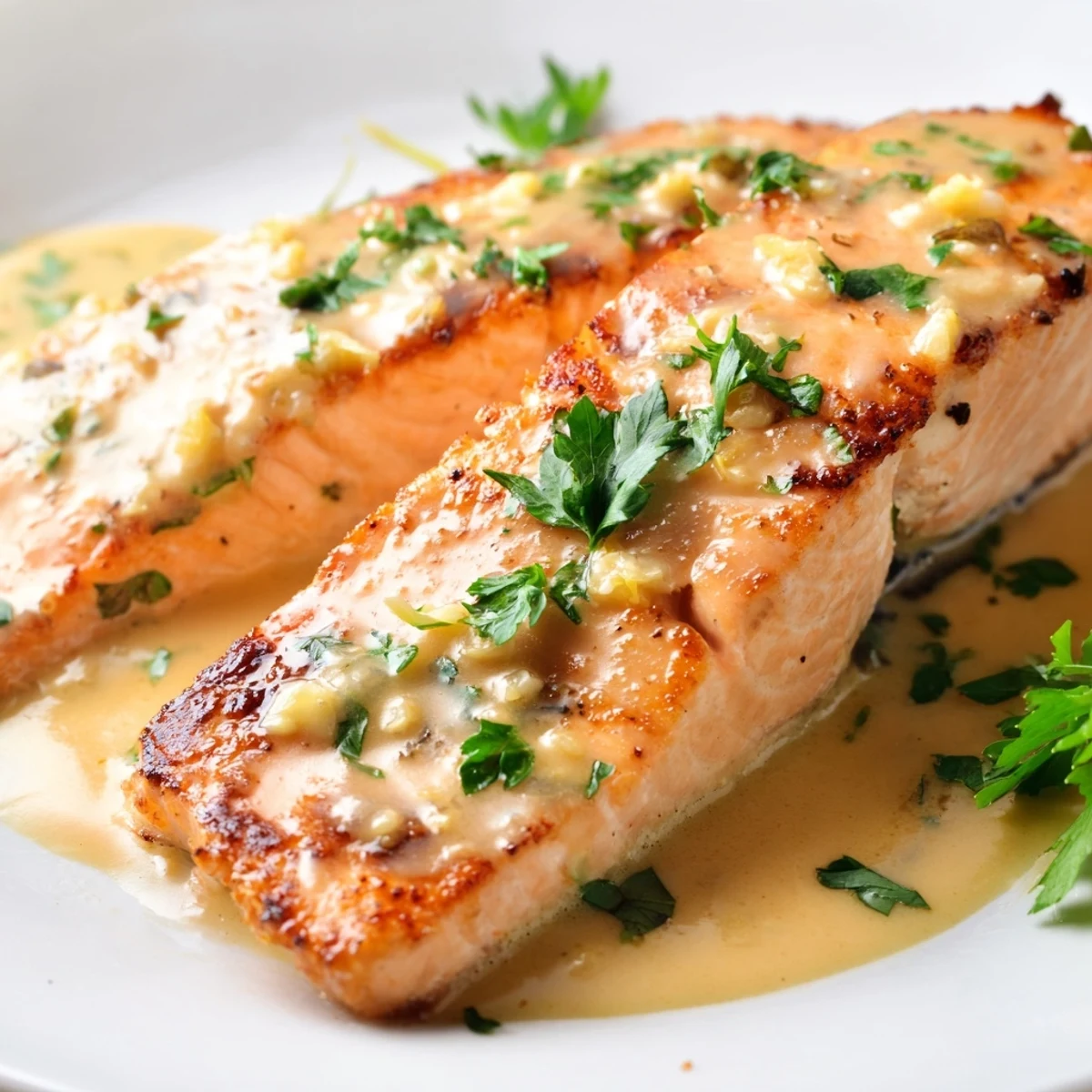
Save This elegant dish features tender salmon fillets seared until golden and crispy, then draped in a luxurious lemon-infused cream sauce. The sauce strikes the perfect balance between rich creaminess and bright citrus notes, enhanced with garlic, Dijon mustard, and fresh parsley. Ready in just 30 minutes, this versatile main course feels sophisticated enough for entertaining while remaining simple enough for busy weeknights. The method creates beautifully moist fish with restaurant-quality presentation right in your own kitchen.
The sizzle of salmon hitting a hot pan is one of those sounds that instantly makes a kitchen feel alive, and on a rainy Tuesday evening with nothing planned, that sound became the beginning of a new favorite ritual.
My neighbor stopped by unannounced one evening while I was making this, and within minutes she was leaning against the counter asking what smelled so incredible. I ended up plating an extra portion right there at the stove, and we ate standing up, sauce dripping off our forks, laughing about how neither of us had expected company for dinner.
Ingredients
- 4 skinless salmon fillets (about 170 g each): Try to buy fillets of similar thickness so they cook evenly without any guesswork.
- 2 tablespoons butter: Unsalted butter gives you full control over the seasoning in the sauce.
- 2 cloves garlic, minced: Fresh garlic makes a real difference here since the sauce is so simple and every ingredient shines.
- 1 cup heavy cream: This is the luxurious base of the sauce, and you will want the full fat version for proper thickening.
- Zest of 1 lemon: Rub the zest between your fingers and smell it first, because that bright oils are exactly what makes this sauce sing.
- 2 tablespoons fresh lemon juice: Fresh squeezed only, as the bottled kind tastes flat and metallic against the cream.
- 1 teaspoon Dijon mustard: Just a small amount adds a subtle tang that keeps the sauce from feeling too heavy.
- 2 tablespoons fresh parsley, chopped: Parsley at the end brings a pop of color and a mild freshness that balances the richness.
- Salt and freshly ground black pepper: Season in layers, once on the fish and again in the sauce, tasting as you go.
- 1 tablespoon olive oil: A neutral or mild olive oil works best for searing without overpowering the delicate fish.
Instructions
- Prep the salmon:
- Pat the fillets thoroughly dry with paper towels and season both sides generously with salt and pepper. Dry fish is the secret to a beautiful golden crust.
- Sear the fillets:
- Heat olive oil in a large nonstick skillet over medium-high heat until it shimmers, then lay the salmon in gently and cook for 4 to 5 minutes per side. You want a deep golden sear but still a slight softness in the center when you press gently.
- Set aside and keep warm:
- Transfer the salmon to a plate and tent it loosely with foil. Those juices that collect on the plate are liquid gold, so save them.
- Build the sauce base:
- Reduce the heat to medium, melt the butter in the same skillet, and sauté the garlic for about one minute until your whole kitchen smells impossibly good. Do not let the garlic brown or it will turn bitter.
- Add the cream and lemon:
- Pour in the heavy cream and bring it to a gentle simmer, then stir in the lemon zest, lemon juice, and Dijon mustard. Let it bubble softly for 3 to 4 minutes, stirring now and then, until it coats the back of a spoon.
- Finish with parsley and season:
- Stir in the chopped parsley and taste the sauce, adjusting salt and pepper until it makes you close your eyes on the first sample.
- Reunite and serve:
- Nestle the salmon fillets back into the sauce, spooning it generously over the top, and let everything simmer together for 2 to 3 minutes. Serve right away with extra parsley or lemon slices if you are feeling fancy.
 Save
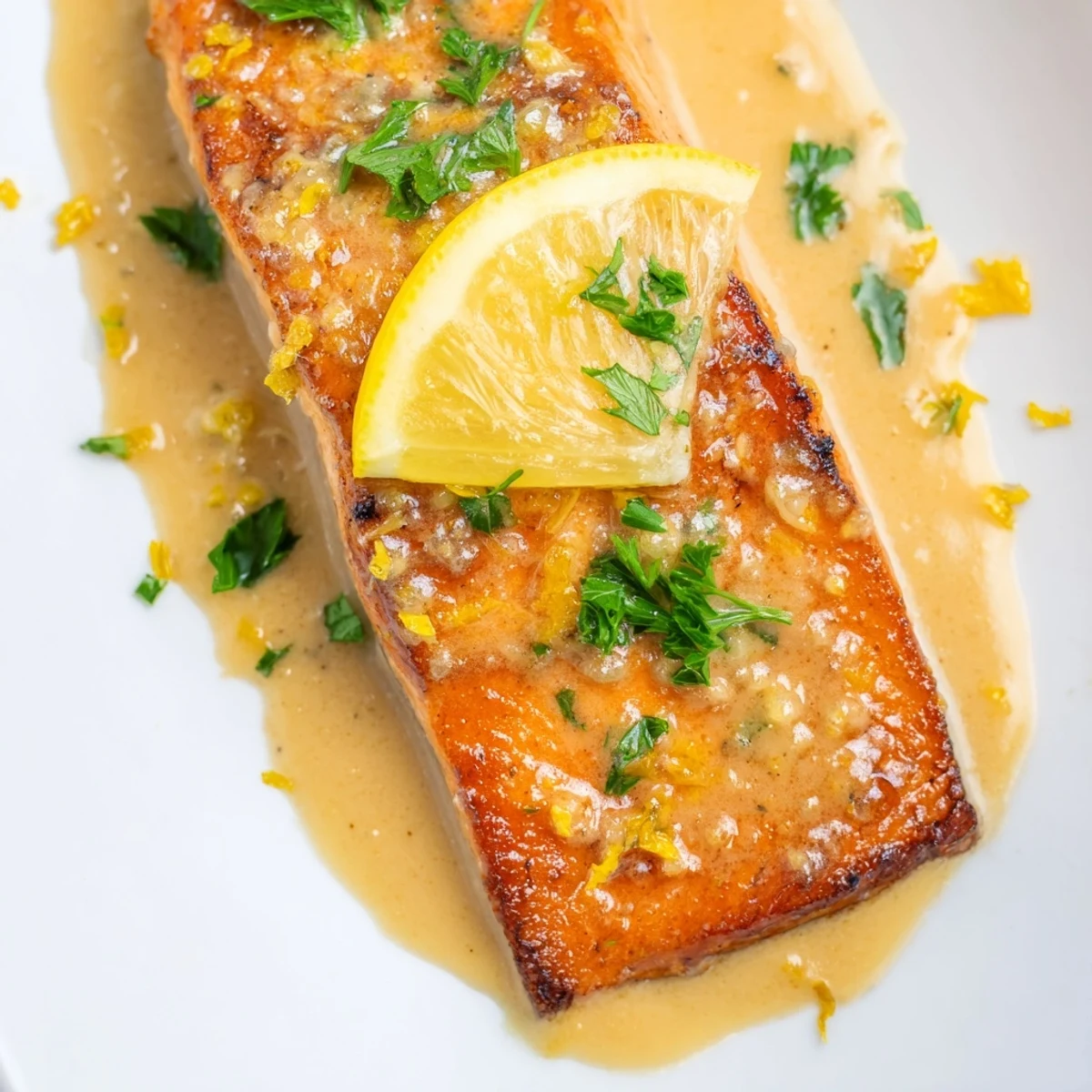
Save There is something quietly magical about sliding a pan of golden salmon swimming in creamy lemon sauce onto the table and watching everyones faces soften with anticipation.
What to Serve Alongside
Mashed potatoes are my go-to because they soak up every last drop of that sauce like a dream. Steamed green beans or roasted asparagus add a slight crunch that the creaminess welcomes. A pile of fluffy rice works too, especially on nights when you need something filling and comforting.
A Word on Wine Pairing
A crisp Sauvignon Blanc is practically made for this dish, cutting right through the richness with its grassy, citrusy snap. If you prefer red, a light Pinot Noir will not overpower the fish but still feels like a proper pairing for a special evening.
Making It Your Own
Once you have the basic technique down, this recipe is wonderfully forgiving and open to improvisation based on what is in your fridge.
- A splash of white wine added with the cream brings an extra layer of depth that feels restaurant-worthy.
- Swap heavy cream for half-and-half if you want something a bit lighter without losing the silky texture.
- Taste the sauce before returning the fish, because lemon intensity varies wildly from one fruit to the next.
 Save
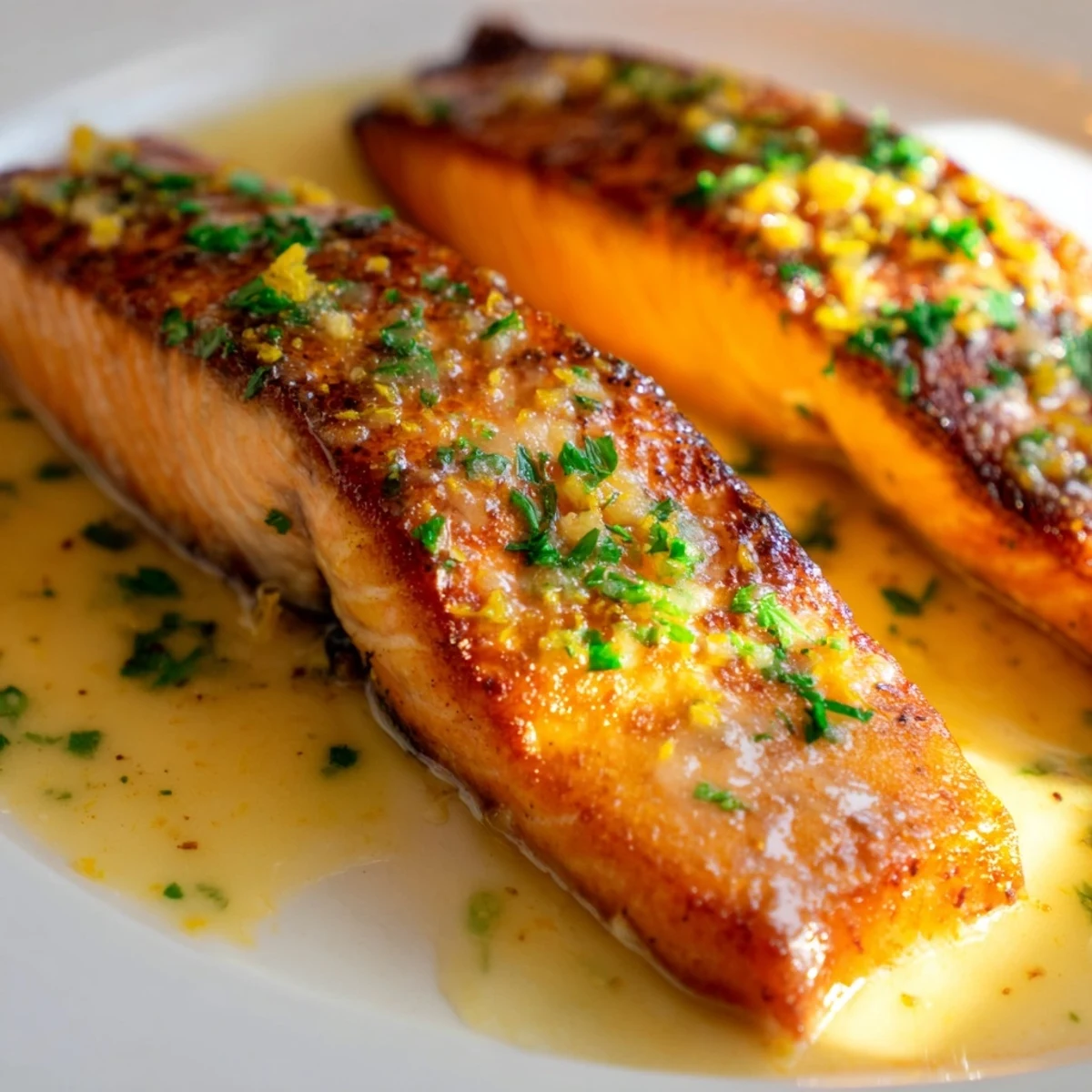
Save This is the kind of dish that turns an ordinary weeknight into something worth remembering, one creamy, lemony bite at a time.
Recipe FAQs
- → How do I know when the salmon is cooked through?
-
The salmon is done when it flakes easily with a fork and reaches an internal temperature of 145°F (63°C). For medium-rare to medium doneness, aim for 125-130°F internally, as the fish will continue cooking slightly after removal from heat.
- → Can I use salmon with skin?
-
Absolutely. If using skin-on salmon, sear skin-side first for 4-5 minutes until crispy, then flip and cook flesh-side for another 3-4 minutes. The skin adds delightful texture and helps keep the fish moist during cooking.
- → What sides pair well with this dish?
-
Steamed asparagus, roasted vegetables, or garlic green beans complement the creamy sauce beautifully. For starches, try buttery mashed potatoes, wild rice, or crusty bread to soak up extra sauce. A crisp white wine like Sauvignon Blanc makes an ideal pairing.
- → Can I make the sauce ahead of time?
-
The cream sauce reheats well, though it's best made fresh while the salmon rests. If preparing ahead, undercook slightly and reheat gently with a splash of cream or broth to reach proper consistency. Avoid boiling, as the sauce may separate.
- → How can I make this lighter?
-
Replace heavy cream with half-and-half, coconut milk, or a mixture of Greek yogurt and broth for fewer calories. You can also reduce the amount of butter or use olive oil instead. The lemon and mustard provide plenty of flavor even with reduced fat.
- → What other fish work with this sauce?
-
This versatile sauce pairs beautifully with cod, halibut, sea bass, trout, or Arctic char. Adjust cooking times based on fish thickness—thinner fillets may need only 2-3 minutes per side, while thicker cuts benefit from slightly longer searing.