
 Save
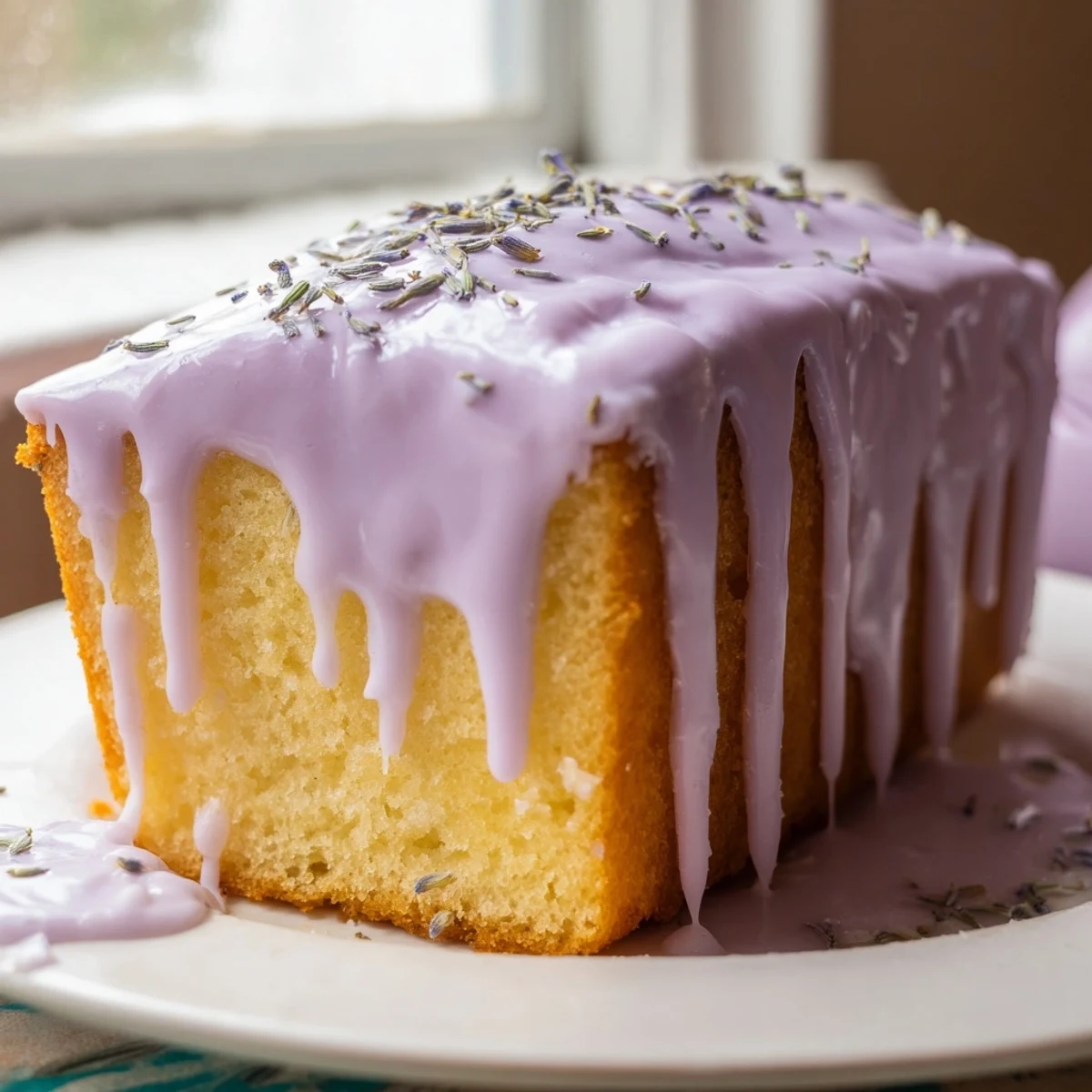
Save This fragrant glaze combines dried culinary lavender with whole milk to create a floral infusion, then blends it with powdered sugar for a smooth, pourable topping. The natural lavender flavor pairs beautifully with pound cake, sugar cookies, and scones. Preparation involves gently heating milk with lavender buds, steeping for maximum flavor extraction, then whisking into confectioners' sugar until silky smooth. Adjust thickness easily by adding more milk or sugar as needed.
The scent hit me before I even stepped into the kitchen—my grandmother was making her special glaze again, something that transformed plain scones into bakery-worthy treats. She swore up and down that dried lavender was the secret ingredient nobody expected, and watching people take that first puzzled bite before their eyes lit up became my favorite part of breakfast service. Years later, I found myself recreating that same moment in my own tiny apartment, realizing how something so simple could make everything feel elegant.
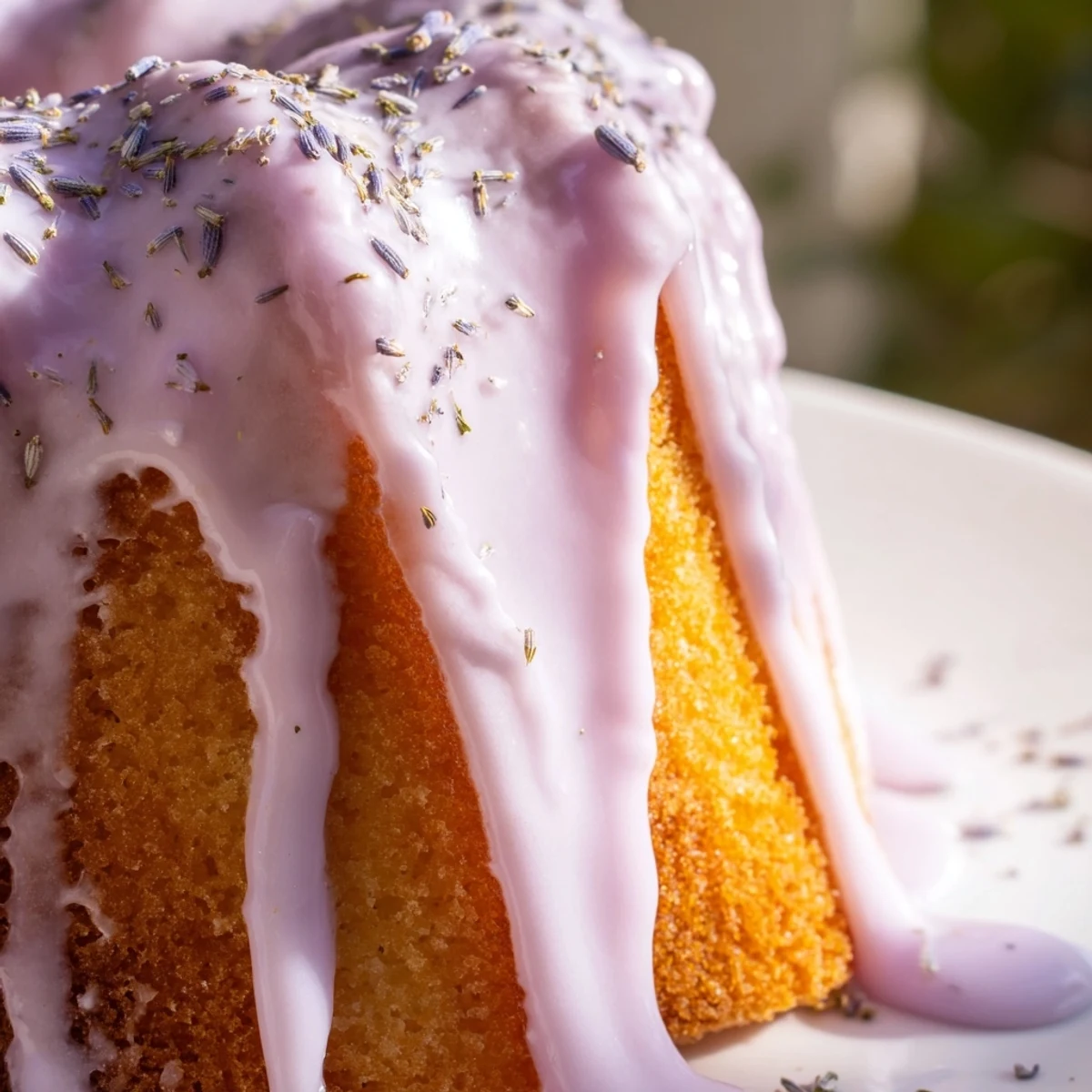
I made this glaze on a whim for a last-minute brunch when my sister brought over store-bought scones, and everyone kept asking where I'd bought them. The way it drips down the sides of a warm cake and sets into that perfect crackly finish makes everything look like you spent hours planning dessert. My friend's three-year-old called it 'fairy frosting' and proceeded to lick it off everything in sight.
Ingredients
- 2 tablespoons dried culinary lavender: Only use lavender specifically labeled for cooking—garden variety can be treated with things you don't want to eat
- 1/4 cup whole milk or dairy-free alternative: The fat content helps carry the floral flavor, and you'll use most of it to infuse
- 2 cups powdered sugar: Creates that smooth, pourable consistency that hardens just right
- 1 teaspoon lemon juice: Cuts through the sweetness and wakes up the lavender notes
Instructions
- Infuse the milk:
- Gently heat your milk and lavender in a small saucepan until steam starts rising—about 2 minutes. You want it hot enough to release the oils but not boiling, which can make the flavor bitter. Let it steep for 5 minutes off the heat.
- Strain and cool:
- Pour the mixture through a fine-mesh strainer to catch all the lavender buds. Give it a few minutes to cool down, otherwise it might melt your powdered sugar into a weird sticky mess instead of a smooth glaze.
- Mix the base:
- Whisk your powdered sugar with 2.5 to 3 tablespoons of the lavender milk, adding the lemon juice now if you're using it. Keep whisking until any lumps disappear and you've got something that drizzles beautifully off your whisk.
- Perfect the consistency:
- If it's too thick to pour, add more milk a teaspoon at a time. Too thin? Sprinkle in a bit more powdered sugar. You're aiming for something that flows like honey but still holds its shape on a spoon.
- Glaze and set:
- Drizzle or spread your glaze over whatever you've baked, then step back and admire your work. Let it set for at least 10 minutes so it develops that lovely crackle on top.
 Save
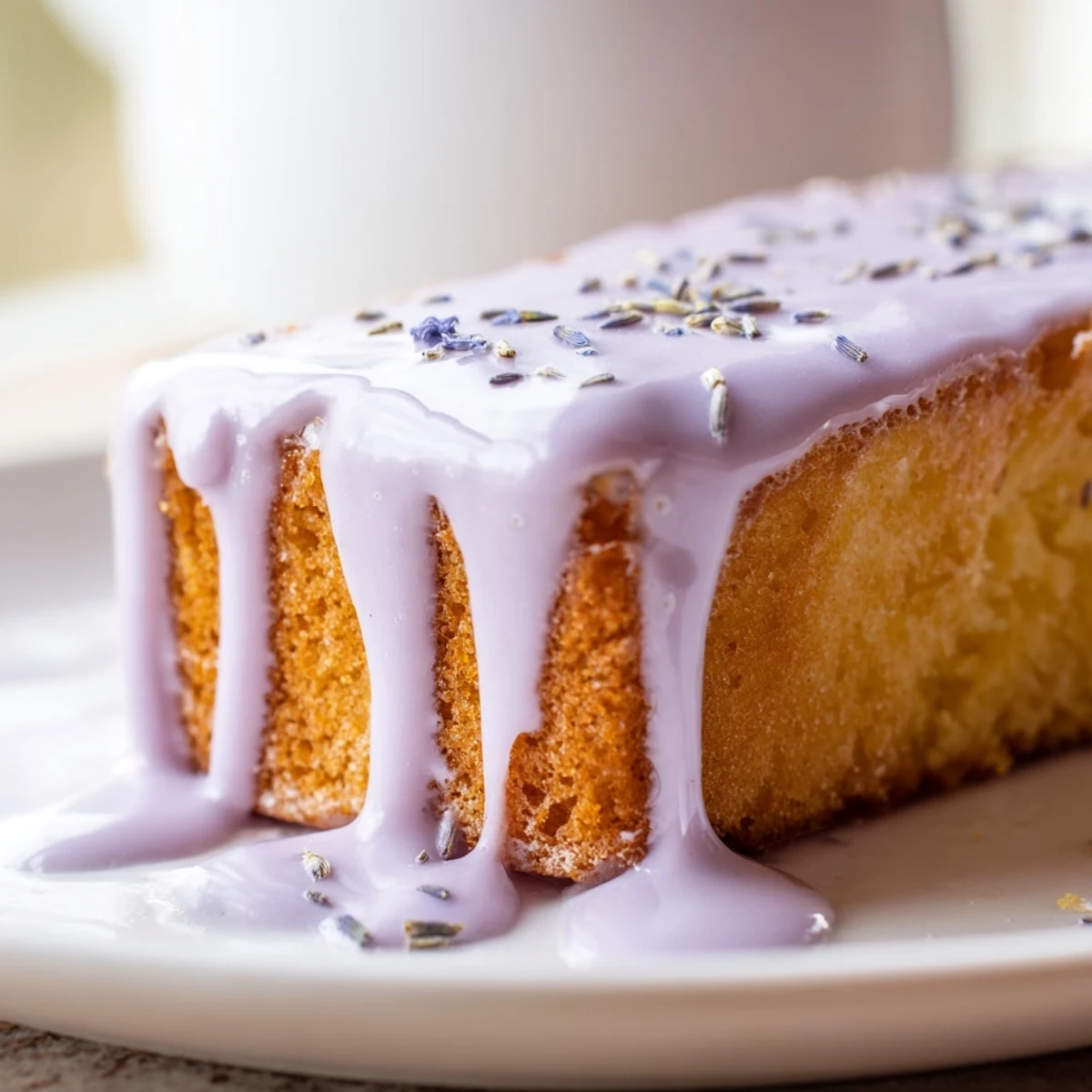
Save My most memorable batch was for a wedding shower where we glaze-dripped over fifty mini scones, and the bride immediately asked if I could cater her actual wedding. The purple color people expect from lavender glaze usually comes from food coloring, but there's something so elegant about the milky white opacity letting the flavor speak for itself.
Making It Purple
Skip the artificial stuff and try a tiny pinch of freeze-dried berry powder or a drop of beet juice if you want that soft lavender hue. I've learned that natural food coloring gives you those muted, sophisticated tones that look like something from a French patisserie window.
Storage & Timing
This glaze keeps beautifully in an airtight container for up to a week, though it will thicken considerably in the fridge. Let it come to room temperature and give it a quick whisk before using. I always make extra because somehow it finds its way onto everything from toast to fresh fruit.
What To Glaze
Classic pound cake, sugar cookies, and scones are just the beginning of what this glaze can transform. I've discovered it pairs unexpectedly well with lemon poppyseed muffins and creates the most stunning contrast on chocolate cakes. The floral notes also work beautifully with shortbread or even drizzled over vanilla ice cream for an instant dessert upgrade.
- Warm your baked goods slightly before glazing for that professional bakery look
- Add the glaze immediately after whisking for the smoothest finish
- Work quickly once you start—the glaze begins setting as it cools
 Save
Save Every time I make this glaze, I'm reminded that the simplest touches are often what turn everyday baking into something worth remembering. There's pure joy in watching someone take that first curious bite and seeing their face change from uncertainty to absolute delight.
Recipe FAQs
- → Can I use fresh lavender instead of dried?
-
Fresh lavender works, though dried culinary lavender provides more concentrated flavor. If using fresh, triple the amount and ensure it's pesticide-free from a garden, not commercial florist sources.
- → How long will the glaze keep?
-
Store in an airtight container at room temperature for up to 2 days, or refrigerate for up to 1 week. Bring to room temperature and whisk before using, as it may thicken when chilled.
- → What can I substitute for whole milk?
-
Any milk variety works including skim, almond, oat, or coconut milk. Creamier options yield richer results, while thinner alternatives may require slight adjustments to achieve desired pouring consistency.
- → Is the lemon juice necessary?
-
Lemon juice is optional but recommended—it balances the floral sweetness with subtle brightness and helps prevent crystallization. The small amount won't create a noticeable citrus flavor.
- → Can I make this glaze ahead of time?
-
Yes, prepare up to 24 hours in advance. Keep at room temperature if using soon, or refrigerate for longer storage. Re-whisk and thin with a few drops of milk if it becomes too thick.