
 Save
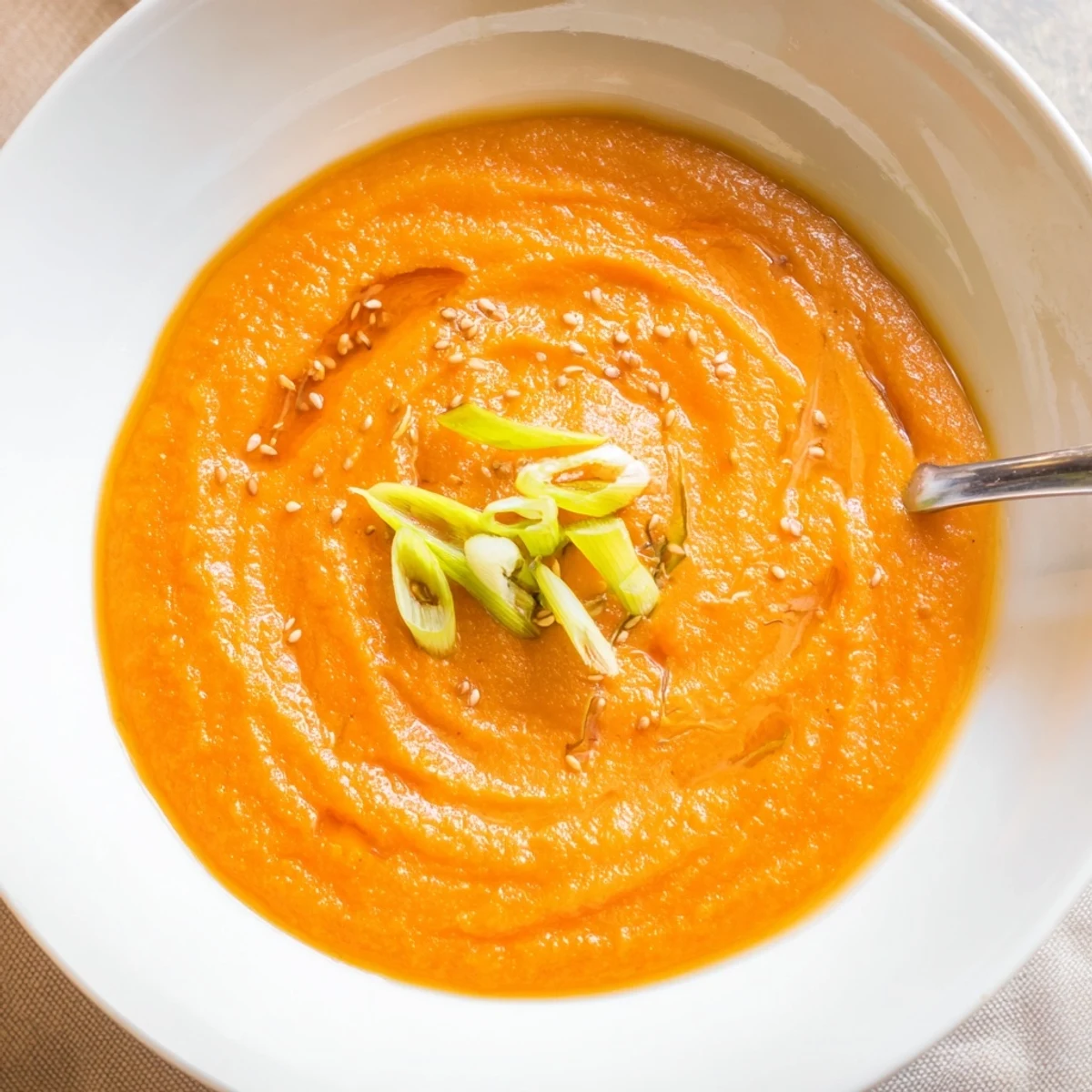
Save This carrot, ginger and white miso soup is ready in about 35 minutes. Start by sautéing onion in olive oil, then add garlic, grated ginger and sliced carrots; simmer in vegetable broth until very tender. Purée until smooth, whisk dissolved miso back in off the heat, and finish with soy or tamari. Serve topped with scallions and toasted sesame, or a splash of coconut milk for extra creaminess.
The rain was hammering against the kitchen window so hard I could barely hear the pot bubbling on the stove, and honestly that was exactly the kind of afternoon that demanded soup. I had a bag of carrots sitting in the crisper for a week and a knob of ginger that was starting to look a little too wise for its own good. What came out of that pot was a velvety, golden bowl of comfort that tasted like someone wrapped a blanket around my shoulders. This carrot ginger miso soup has been my cold weather answer ever since.
I made this for my neighbor once when she was going through a rough patch, and she stood in my doorway holding the bowl with both hands, sipping it right there instead of taking it home. She told me later it was the first thing in weeks that actually tasted good to her. That is the quiet power of a simple soup done right.
Ingredients
- Carrots (1 lb, peeled and sliced): The sweeter the better here, so do not skip peeling since the skins can make the texture gritty.
- Onion (1 medium, diced): A humble yellow onion builds the foundation without stealing attention from the carrots.
- Garlic (2 cloves, minced): Fresh garlic matters here because the flavor is subtle and powder gets lost in the blend.
- Fresh ginger (1 inch piece, peeled and grated): This is the spark that makes the whole pot sing, so use fresh and grate it fine so no one bites into a fibrous chunk.
- Vegetable broth (4 cups): A good quality broth makes a difference since the ingredient list is so short and everything shows.
- White miso paste (2 tbsp): White miso is mellow and slightly sweet, which is what you want here rather than the punchier red variety.
- Olive oil (1 tbsp): Just enough to soften the onions and carry the aromatics without making the soup heavy.
- Soy sauce (1 tbsp): Use tamari if you need it gluten free, and this adds a round saltiness that regular salt alone cannot match.
- Salt and pepper: Add at the end because the miso and soy sauce already contribute salt.
- Scallions (2, thinly sliced): A fresh snappy garnish that cuts through the richness beautifully.
- Toasted sesame seeds (1 tbsp): These add a nutty crunch that makes each bowl feel finished and intentional.
Instructions
- Soften the onions:
- Heat the olive oil in a large pot over medium heat and cook the diced onions for about 4 minutes until they turn glassy and sweet smelling. You are not looking for color here, just a gentle translucent soften that tells you the foundation is ready.
- Wake up the aromatics:
- Toss in the minced garlic and grated ginger, stirring constantly for about a minute until your kitchen smells absolutely incredible. This brief saute is what releases their oils and sets the tone for everything that follows.
- Bloom the carrots:
- Add the sliced carrots and let them cook in the fragrant oil for about 2 minutes, stirring so each piece gets coated. This step seems small but it starts drawing out their natural sugars before the broth even joins the party.
- Simmer until tender:
- Pour in the vegetable broth, bring it to a boil, then drop the heat and let it simmer for 18 to 20 minutes until the carrots yield completely when you press them with a spoon. If they still have any resistance keep going because there is no rescuing a chunky puree later.
- Blend until silky:
- Take the pot off the heat and use an immersion blender to puree everything until perfectly smooth, or work in careful batches with a standard blender. Either way, keep blending a little longer than you think you need to for that velvety restaurant quality texture.
- Add the miso gently:
- Scoop a ladleful of hot soup into a small bowl and dissolve the miso paste into it before stirring it back into the pot along with the soy sauce. This prevents clumps of miso from hiding in your beautiful soup and ensures even seasoning throughout.
- Warm through and serve:
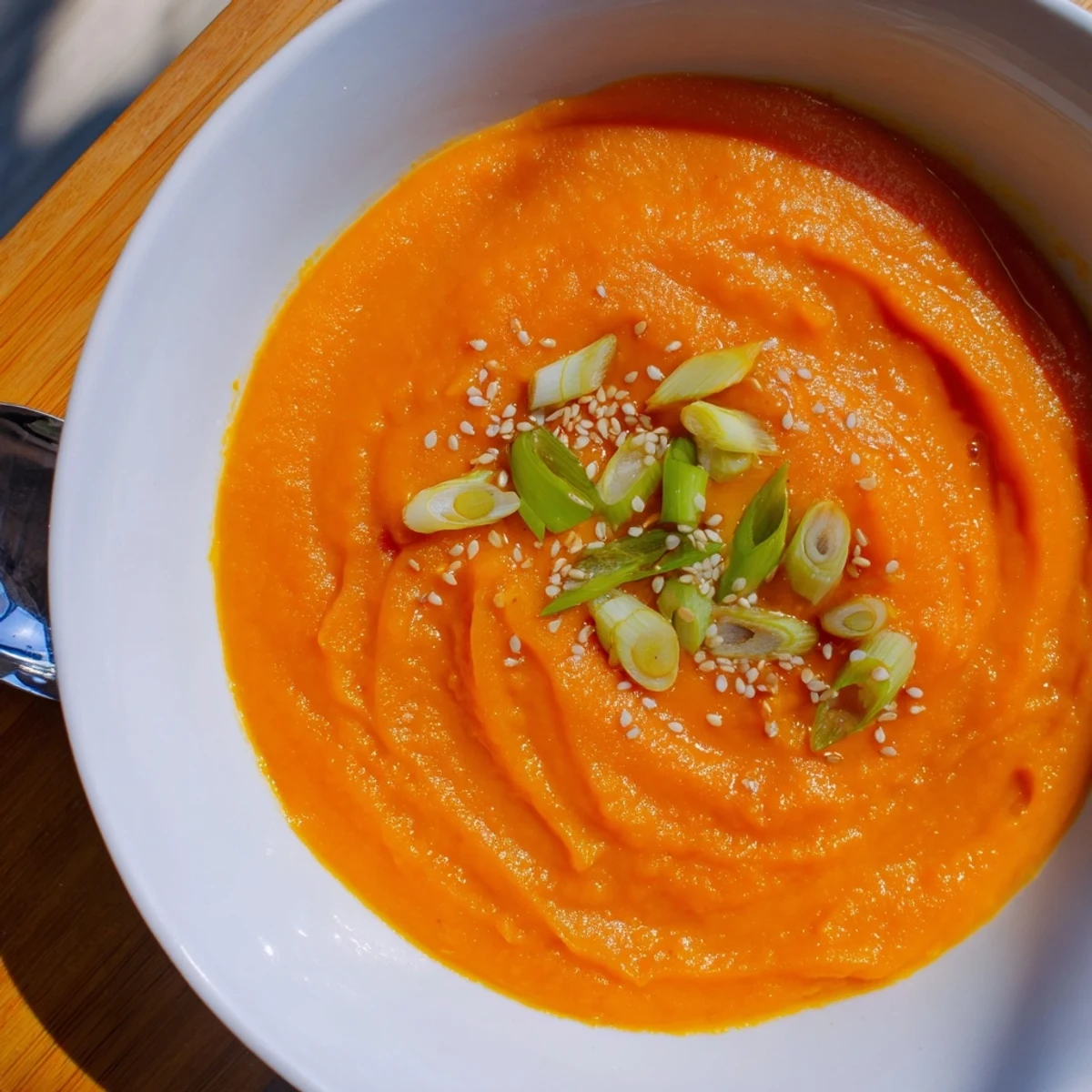
- Reheat the soup gently if needed but never let it boil after the miso goes in because high heat kills the living cultures and dulls the flavor. Ladle into warm bowls and finish with sliced scallions and a generous sprinkle of toasted sesame seeds.
 Save
Save There is something about ladling this golden soup into a bowl on a quiet evening that makes the whole house feel like it is exhaling. It became my Sunday reset ritual without me even planning it that way.
Making It Your Own
A splash of coconut milk swirled in at the end turns this into something almost decadent, and I discovered that trick entirely by accident when I was short on broth one night. A pinch of chili flakes on top gives it a completely different personality, more fiery weeknight dinner than gentle lunch. Swapping half the carrots for sweet potatoes creates a richer and slightly earthier version that feels like autumn in a bowl.
What to Serve Alongside
This soup loves company, and a piece of crusty bread for dipping is really all it needs to become a full meal. A simple side salad with a sharp vinaigrette cuts through the sweetness nicely. If you are feeling ambitious, it pairs beautifully with a chilled glass of Riesling on a warm evening or a pot of jasmine tea when the weather turns cold.
Tools and Storage
You really only need a good pot and an immersion blender to pull this off, though a standard blender works fine if you are patient with batching. The soup stores brilliantly in the fridge for up to four days and actually tastes better on day two when the flavors have had time to settle into each other. Reheat it gently on the stove and add a splash of broth or water if it thickens too much in the cold.
- Freeze individual portions in mason jars for easy lunches, leaving room at the top for expansion.
- Always check your miso and soy sauce labels if cooking for someone with gluten sensitivities.
- Trust your own palate over any recipe when it comes to the final salt adjustment.
 Save
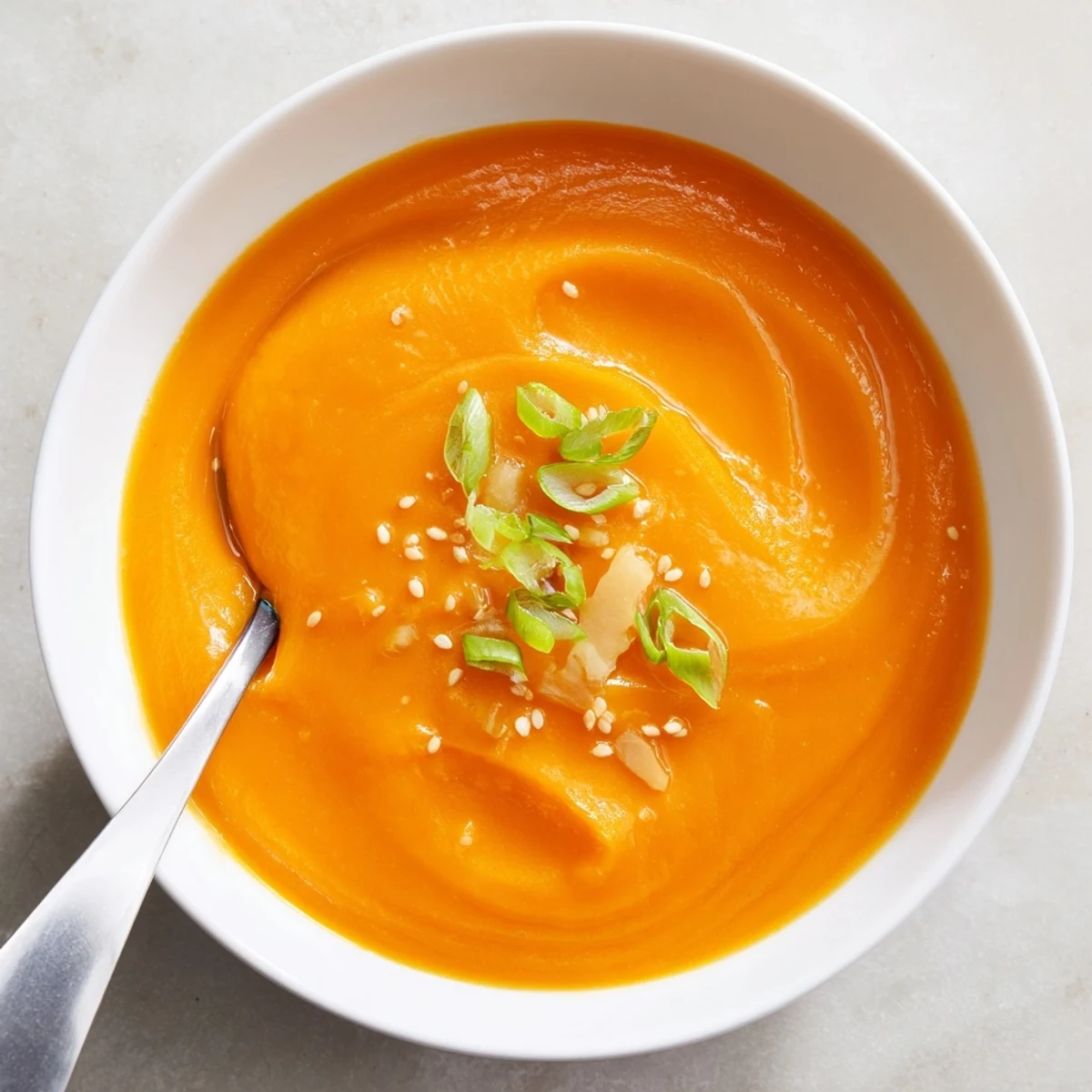
Save Keep this recipe close for the days when you need something warm without a lot of fuss. It is a small pot of goodness that asks very little and gives back so much.
Recipe FAQs
- → Can I use a different miso?
-
Yes — white miso gives a mild, sweet umami, but yellow or red miso can be used for deeper flavor. Adjust the amount to taste, as stronger miso can overpower the sweetness of the carrots.
- → How do I prevent the miso from getting bitter?
-
Dissolve miso in a ladleful of hot soup and stir it back in off the heat. Avoid boiling after adding miso to preserve its delicate flavors and probiotics.
- → What's the best way to achieve a silky texture?
-
Use an immersion blender for a quick, even purée or blend in batches in a countertop blender until completely smooth. Strain through a fine sieve for an extra silky finish if desired.
- → How can I make it creamier without dairy?
-
Add a splash of canned coconut milk or a spoonful of neutral nut butter when finishing the soup. Blend thoroughly to incorporate and heat gently without boiling.
- → Are there good ingredient swaps for variety?
-
Substitute half the carrots with sweet potato for added sweetness and body, or stir in a pinch of chili flakes or grated turmeric for warmth and color variation.
- → How should I store and reheat leftovers?
-
Cool completely, then refrigerate in an airtight container for up to 4 days or freeze for up to 3 months. Reheat gently on the stovetop and avoid boiling after adding miso; stir well before serving.