
 Save
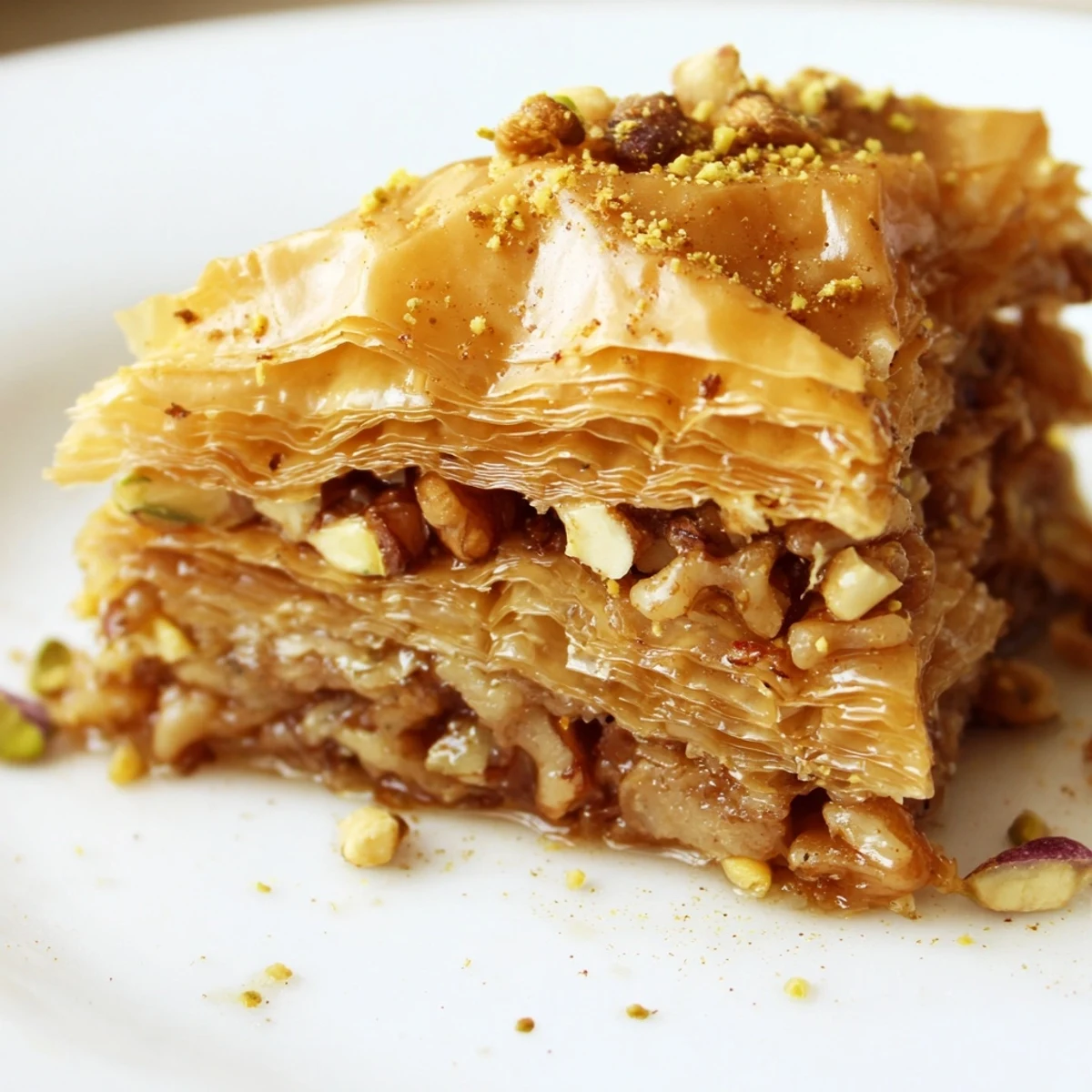
Save Master the art of creating perfectly flaky baklava with this traditional method. The key lies in handling phyllo dough properly, brushing each sheet generously with melted butter, and achieving the right balance between crisp layers and the sweet syrup that makes this dessert irresistible.
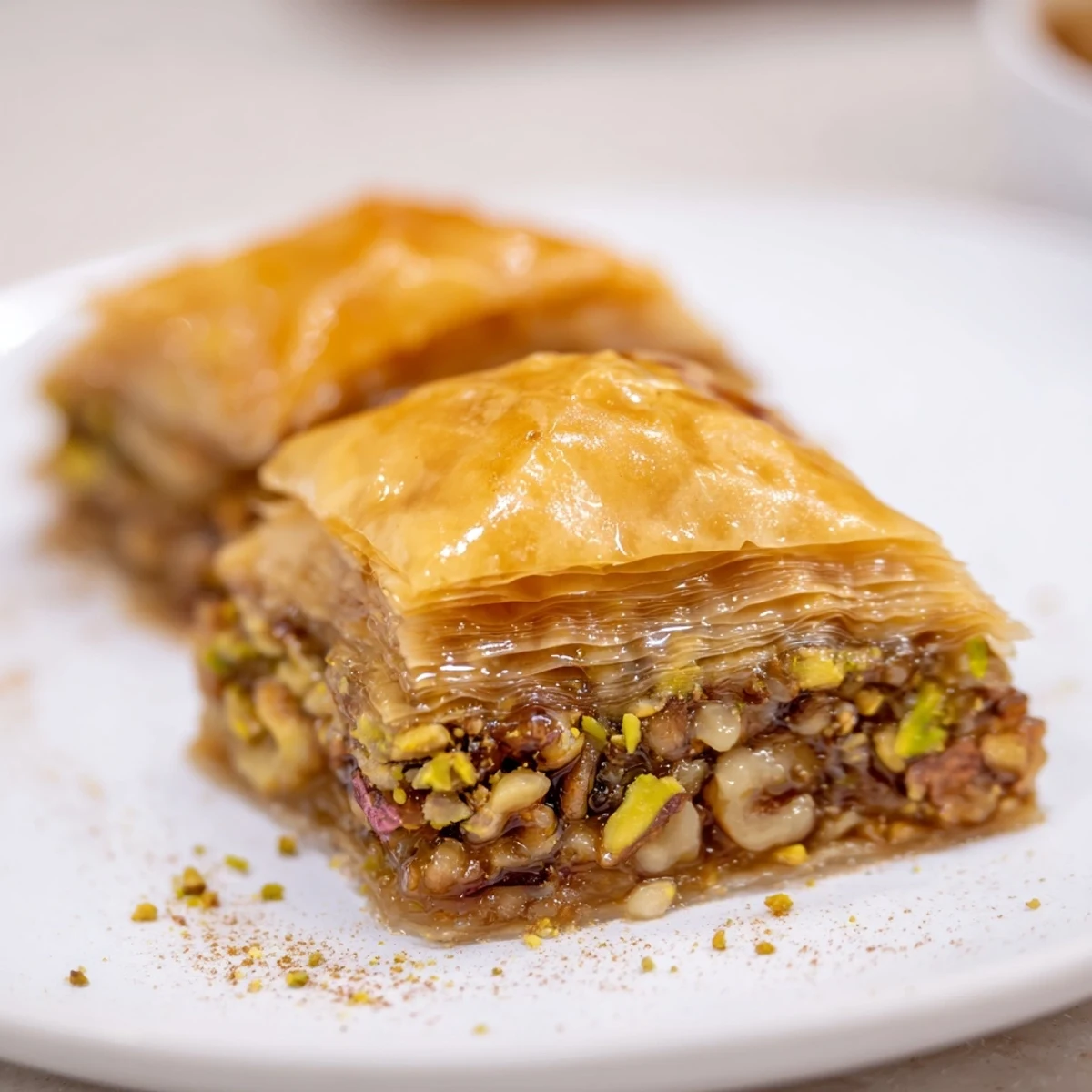
The process involves layering buttered phyllo sheets with a fragrant mixture of walnuts, pistachios, almonds, sugar, and cinnamon. After baking until golden, hot syrup is poured over the pastry, allowing it to absorb slowly and create that signature sticky texture.
Plan ahead, as baklava needs time to cool completely and absorb the syrup before serving. The result is worth the patience—each piece offers a satisfying crunch followed by the rich sweetness of honey and nuts.
The first time I attempted baklava, I was visiting my friend Elena who spent half her year in Istanbul. She watched me struggle with the phyllo sheets, tearing every other one, until finally she gently pushed me aside and said 'watch the butter, not the paper.' That afternoon changed everything about how I approach this dessert.
Last New Year's Eve, I made three batches of this baklava for a party. By midnight, the platter was empty and people were actually asking if there was more hidden somewhere. Watching friends hover around the kitchen, picking up sticky diamond pieces with their fingers, made all that layering work worth it.
Ingredients
- 400 g phyllo dough: Keep these covered with a damp towel while working because they dry out shockingly fast
- 250 g unsalted butter, melted: This is your binding agent so don't be shy with it between layers
- 200 g walnuts, 100 g pistachios, 80 g almonds: The classic trio but feel free to adjust ratios based on what you love
- 80 g granulated sugar: Blended with the nuts for even sweetness throughout
- 1 tsp ground cinnamon: Warm spice that ties everything together beautifully
- 250 ml water, 300 g sugar, 2 tbsp lemon juice, 2 tbsp honey: The syrup that transforms dry pastry into something magical
- 1 cinnamon stick, 1 strip orange peel: Aromatic additions that make the syrup sing
Instructions
- Preheat and prepare your baking dish:
- Set your oven to 180°C and butter a 23x33 cm dish thoroughly, getting into all the corners.
- Mix your nut filling:
- Combine walnuts, pistachios, almonds, sugar and cinnamon in a bowl until evenly distributed.
- Layer the first foundation:
- Lay down 8 sheets of phyllo, brushing each generously with melted butter before adding the next.
- Add your first nut layer:
- Sprinkle about one third of your nut mixture across the buttered phyllo.
- Build the middle layers:
- Add 4 more buttered phyllo sheets, spread half the remaining nuts, then repeat with another 4 buttered sheets and the rest of the nuts.
- Finish with a top crust:
- Layer remaining phyllo sheets, buttering each one as you go.
- Score before baking:
- Use a sharp knife to cut diamonds or squares all the way through before it goes in the oven.
- Bake until golden:
- Bake for 35 to 40 minutes until deeply golden and crisp throughout.
- Prepare the syrup:
- Combine water, sugar, lemon juice, honey, cinnamon stick and orange peel in a pan.
- Simmer the syrup:
- Bring to a boil then simmer for 10 minutes before removing cinnamon and peel to cool slightly.
- The critical pouring step:
- Pour the warm syrup slowly over the hot baklava the moment it comes out of the oven.
- Patience is key:
- Let it cool completely so every layer absorbs that sweet syrup.
 Save
Save My grandmother never measured anything when she made baklava, just added butter 'until it felt right.' I've tried replicating that intuitive method but honestly, measuring gives me more confidence. Still, I keep that spirit in mind when brushing those phyllo sheets.
Making It Your Own
Sometimes I'll swap in hazelnuts or pecans depending on what's in the pantry. A few drops of orange blossom water or rose water in the syrup creates this gorgeous floral perfume that feels incredibly authentic.
The Art of Phyllo
Working with phyllo becomes meditative once you stop fighting it. Let the torn pieces be patchworked into layers because the butter and syrup hide all imperfections.
Serving Suggestions
Baklava demands strong coffee to cut through all that sweetness. I love serving it with Turkish coffee or a bitter espresso. A few hours after making it, when the syrup has fully penetrated every layer, is the absolute best time to serve.
- Store at room temperature covered loosely for up to 5 days
- Never refrigerate as it makes the pastry lose its signature crunch
- These freeze beautifully if you need to make them ahead for special occasions
 Save
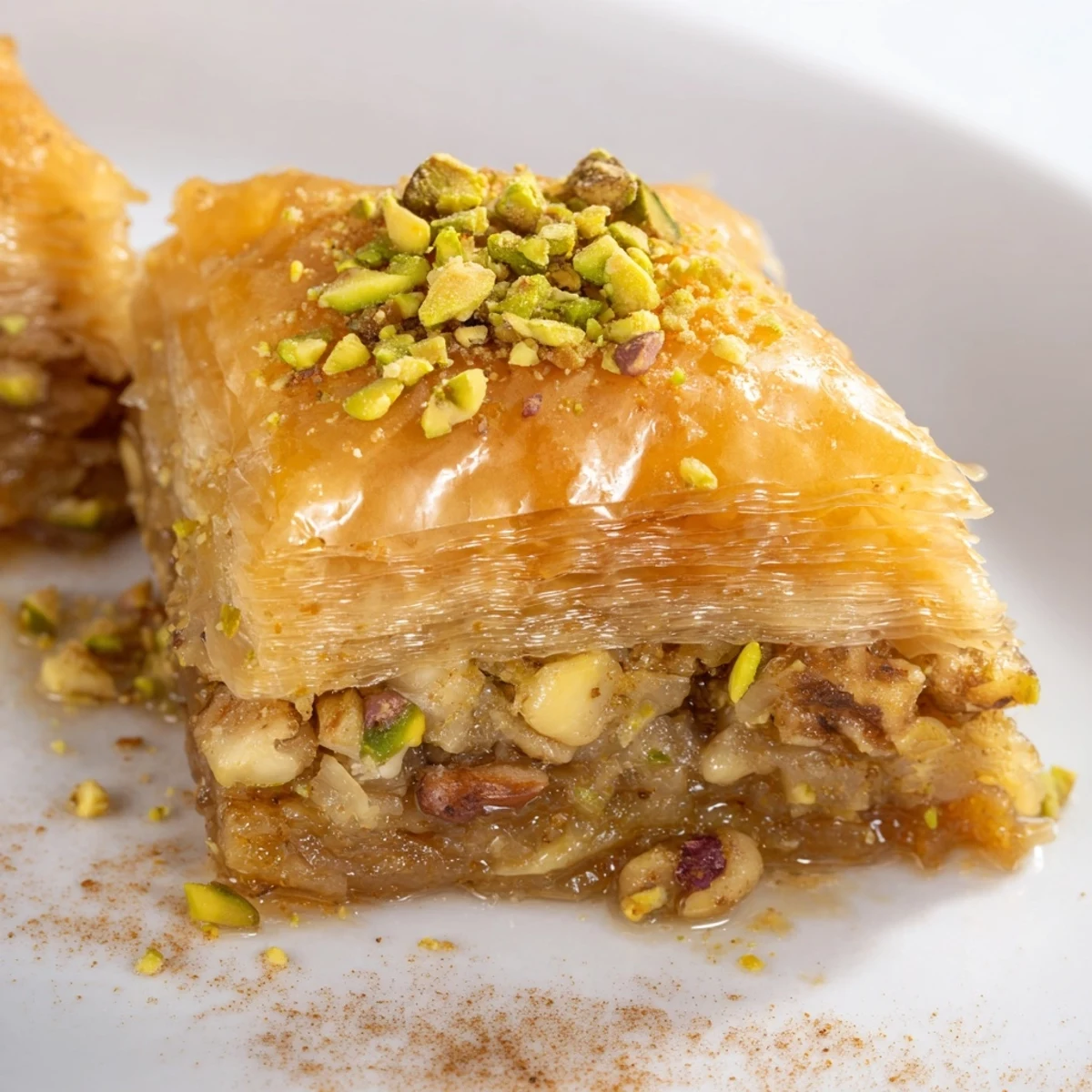
Save There is something deeply satisfying about lifting a perfectly golden diamond and hearing that first crisp shatter. Share this with people you love.
Recipe FAQs
- → Why is my baklava soggy instead of crisp?
-
Soggy baklava usually happens when the syrup is poured while it's too hot or when the pastry isn't baked long enough. Ensure your phyllo layers are golden brown and crispy before removing from the oven. Also, let the syrup cool slightly—but not completely cold—before pouring it over the hot baklava for optimal absorption.
- → Can I make baklava ahead of time?
-
Absolutely. Baklava actually tastes better when made a day ahead, allowing the flavors to meld and the syrup to fully penetrate the layers. Store it at room temperature, tightly covered, for up to 5 days. Avoid refrigeration as this can make the phyllo lose its crispness.
- → What's the best way to cut baklava without crushing it?
-
Cut the baklava into diamonds or squares before baking using a very sharp knife. This prevents the flaky layers from shattering after they've been soaked with syrup. Gently saw through the layers with a back-and-forth motion rather than pressing down hard.
- → Can I freeze baklava?
-
Yes, freeze baklava before adding the syrup. Wrap the unbaked, cut pieces tightly and freeze for up to 3 months. When ready to bake, thaw in the refrigerator overnight, then proceed with baking and syrup preparation. Freezing after syrup is not recommended as the texture becomes mushy.
- → What nuts work best in baklava?
-
Walnuts and pistachios are the most traditional choices, offering complementary flavors and textures. Almonds add extra crunch. Feel free to adjust the ratios based on preference or substitute hazelnuts or pecans. For the most authentic presentation, use finely chopped nuts that distribute evenly between layers.
- → Why does my phyllo dough keep cracking?
-
Phyllo dries out quickly, becoming brittle and prone to cracking. Always keep unused sheets covered with a damp towel while working. If dough cracks during assembly, simply patch it with small pieces of buttered phyllo—the nuts and syrup will hide any imperfections in the finished layers.