
 Save
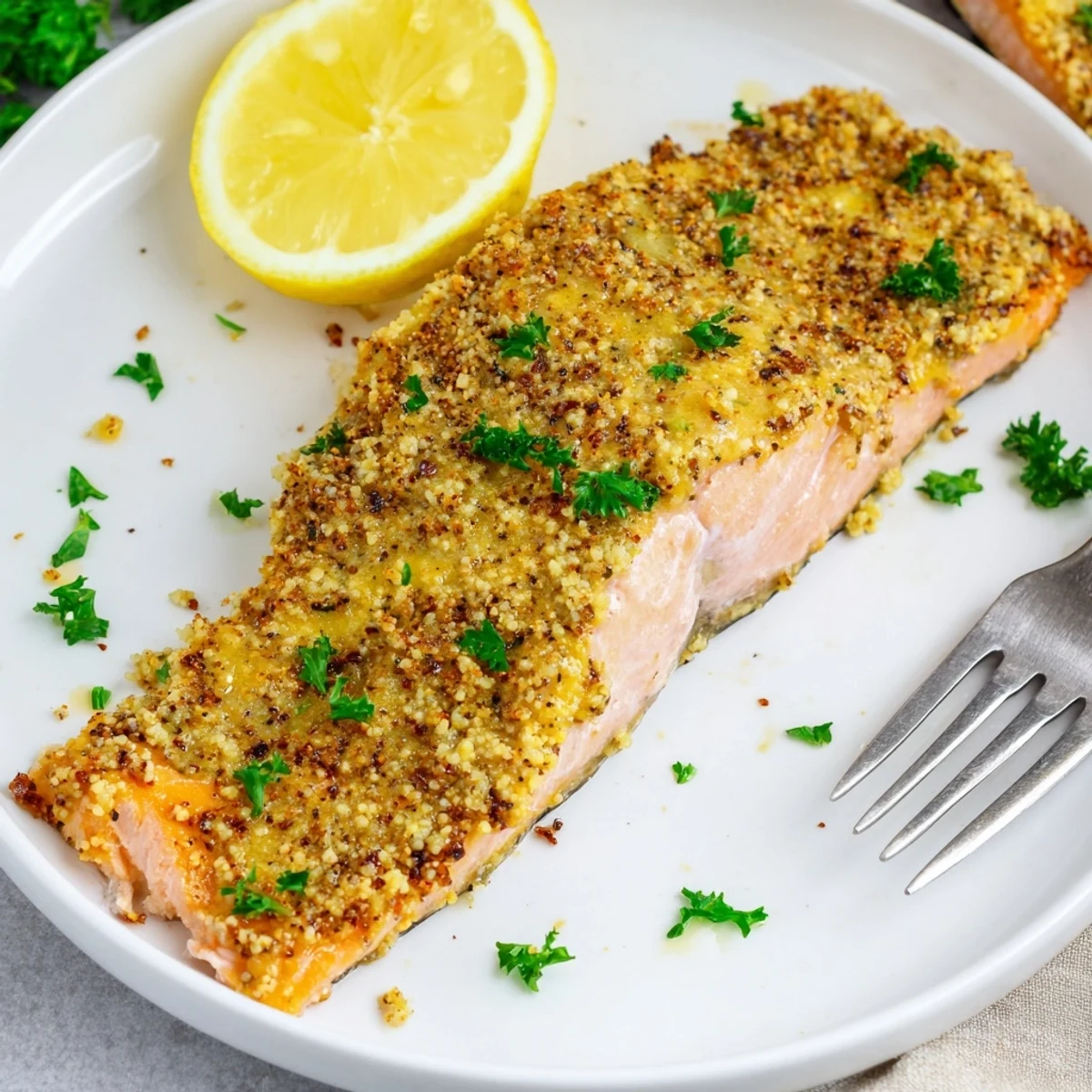
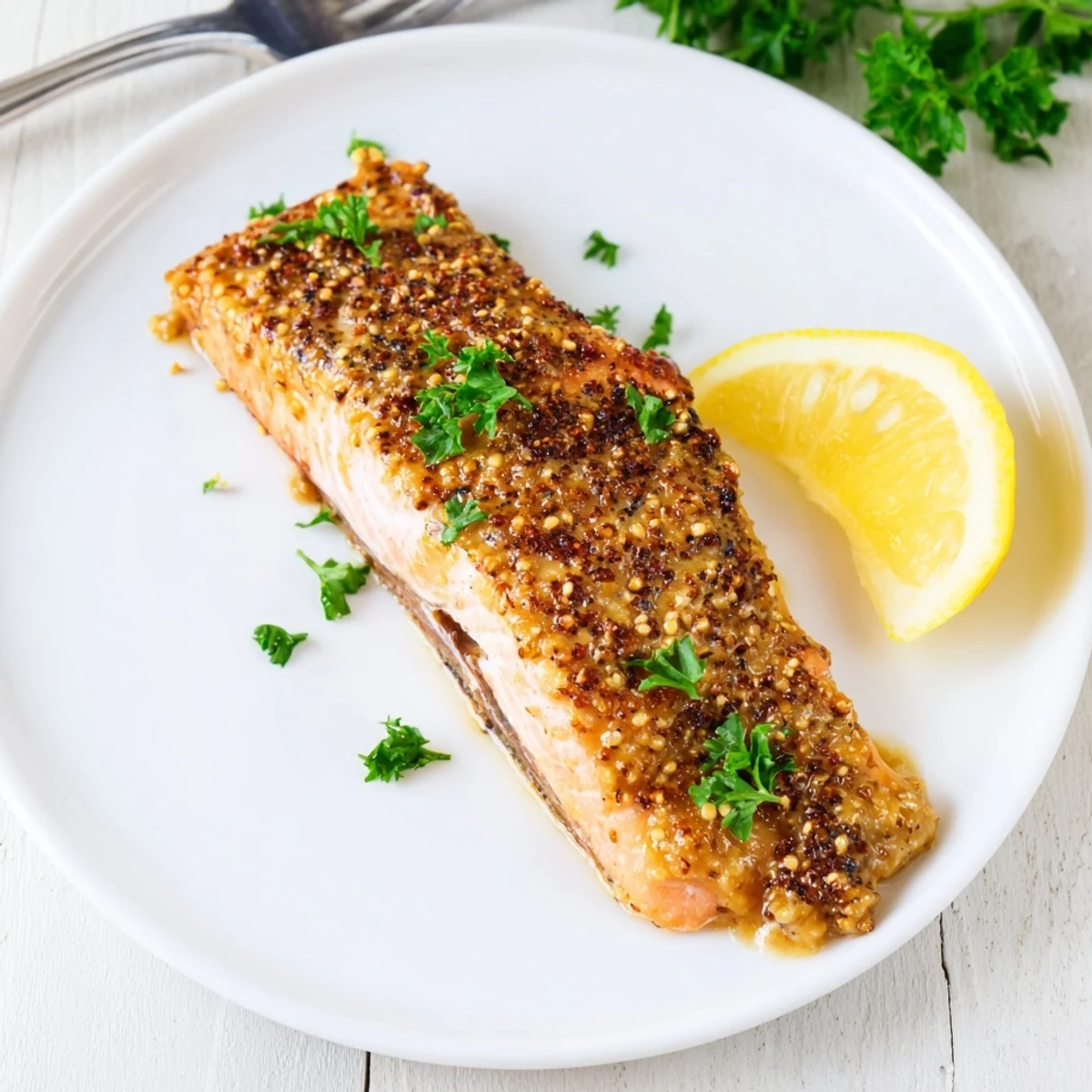
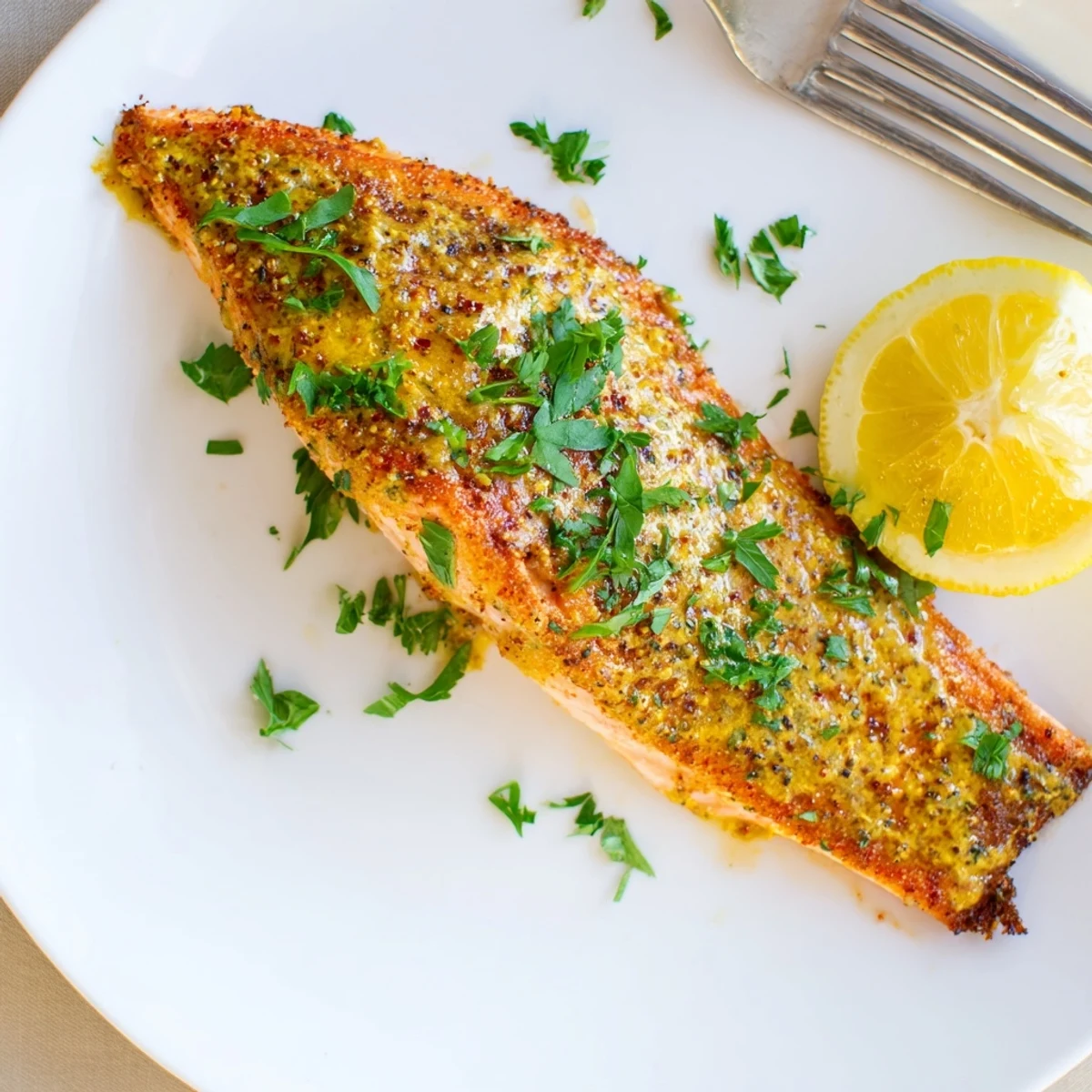
Save This baked honey mustard salmon brings together succulent fillets with a luscious glaze of Dijon mustard, honey, whole grain mustard, and a hint of smoked paprika. Ready in just 25 minutes from start to finish, it's an effortless yet elegant dish that works beautifully for busy weeknights or casual entertaining.
The salmon is generously coated with the glaze and baked at 200°C (400°F) until it flakes easily with a fork. A quick broil at the end adds gorgeous caramelization. Serve alongside roasted vegetables, fluffy rice, or a crisp salad for a complete, satisfying meal that's naturally gluten-free and packed with protein.
The smell of honey caramelizing against mustard on a hot baking tray is the kind of thing that makes neighbors knock on your door asking what you are cooking. I stumbled onto this combination one Tuesday evening when the fridge offered nothing but salmon and a half empty jar of Dijon. Twenty five minutes later I was sitting at the kitchen counter wondering why I had never done this before.
My sister walked in while I was brushing the glaze onto the fillets and declared it looked like something from a restaurant menu. She ate two servings that night and has texted me for the recipe at least four times since, each time pretending she lost it.
Ingredients
- 4 salmon fillets about 170 g each skin on or skinless: Skin on holds together beautifully during baking but go skinless if you prefer easy serving, just handle the fillets gently so they do not fall apart.
- 3 tbsp Dijon mustard: This is the backbone of the glaze, providing a sharp and smooth heat that cuts through the richness of the fish.
- 2 tbsp honey: The sweetness balances the mustard bite and creates that gorgeous caramelized crust under high heat.
- 1 tbsp whole grain mustard: Adds texture and a mellow earthiness that makes the glaze feel more complex than it is.
- 1 tbsp olive oil: Helps the glaze spread evenly and keeps the salmon moist during baking.
- 1 tbsp fresh lemon juice: A splash of brightness that wakes up every other flavor in the bowl.
- 2 garlic cloves minced: Fresh garlic makes a noticeable difference here so skip the jarred stuff if you can.
- 1/2 tsp smoked paprika: This tiny amount adds a subtle smoky warmth that people will notice but not be able to name.
- Salt and freshly ground black pepper to taste: Season the fish before glazing and adjust the glaze itself so neither tastes flat.
- Fresh parsley chopped and lemon wedges for garnish: The parsley adds color and the lemon wedges let everyone adjust acidity at the table.
Instructions
- Get the oven hot:
- Preheat to 200 degrees Celsius or 400 degrees Fahrenheit and line a baking tray with parchment paper so cleanup is almost nothing.
- Build the glaze:
- Whisk together both mustards, honey, olive oil, lemon juice, garlic, smoked paprika, salt, and pepper in a small bowl until the mixture looks smooth and glossy, then taste it and trust your instincts.
- Prep the fish:
- Pat the salmon fillets dry with paper towels because moisture is the enemy of a good crust, then lay them on the tray and season the tops lightly with salt and pepper.
- Glaze it up:
- Spoon or brush the honey mustard mixture generously over each fillet, letting it pool slightly around the edges where it will caramelize into something magical.
- Bake until perfect:
- Slide the tray into the oven for 12 to 15 minutes, watching for the moment the salmon flakes easily when you twist a fork in the thickest part.
- Rest and finish:
- Let the fillets rest for 2 minutes out of the oven so the juices settle, then scatter parsley over the top and serve with lemon wedges on the side.
 Save
Save This became my go to whenever someone important was coming over and I had no energy to impress them. The dish does all the talking while you pour wine and pretend you worked harder than you did.
What to Serve Alongside
Roasted asparagus or a mound of steamed rice soaks up the extra glaze that runs off the fish, which honestly might be the best part. A simple arugula salad with lemon vinaigrette cuts through the sweetness and rounds out the plate without any fuss.
Making It Your Own
Swap the Dijon for yellow mustard if you want a milder and more kid friendly flavor. A pinch of chili flakes in the glaze turns up the heat in a way that pairs beautifully with the honey and makes the whole thing taste a little more grown up.
Storing and Reheating
Leftover salmon keeps well in the fridge for up to two days and reheats gently in a low oven without drying out too badly. I have also flaked cold leftovers over a salad the next day and it was arguably better than the original dinner.
- Cover the fish tightly so it does not pick up fridge smells.
- Avoid the microwave if you can because it makes the texture rubbery and sad.
- Remember the glaze will thicken in the fridge so a brief reheat brings it back to life.
 Save
Save Some recipes earn a permanent spot in your kitchen not because they are complicated but because they make you look brilliant with almost no effort. This is that recipe, and you deserve to have it in your back pocket.
Recipe FAQs
- → What type of salmon works best for this dish?
-
Fresh Atlantic or sockeye salmon fillets are ideal. Skin-on fillets help retain moisture during baking, but skinless works just as well. Aim for fillets around 170 g (6 oz) each for even cooking and proper portion sizes.
- → Can I prepare the honey mustard glaze ahead of time?
-
Yes, the glaze can be whisked together and stored in an airtight container in the refrigerator for up to 3 days. Give it a good stir before brushing it onto the salmon, as the honey may settle at the bottom.
- → How do I know when the salmon is fully cooked?
-
The salmon is done when it flakes easily with a fork and appears opaque throughout. This typically takes 12–15 minutes at 200°C (400°F) for standard-sized fillets. The internal temperature should reach 63°C (145°F) for optimal results.
- → What side dishes pair well with this salmon?
-
Roasted asparagus, steamed broccoli, garlic green beans, fluffy jasmine rice, or a mixed greens salad with vinaigrette all complement the sweet and tangy flavors beautifully. Roasted sweet potatoes or quinoa also make excellent pairing options.
- → Can I use frozen salmon fillets instead of fresh?
-
Absolutely, but thaw them completely in the refrigerator overnight before cooking. Pat the fillets dry thoroughly with paper towels to ensure the glaze adheres properly and the salmon bakes evenly without becoming watery.
- → How can I add more spice or heat to the glaze?
-
A pinch of chili flakes or a dash of hot sauce stirred into the honey mustard mixture adds a pleasant kick. You could also incorporate a teaspoon of sriracha or a finely minced jalapeño for a bolder, spicier profile.